Author: shanemills

  • An honour to serve – Allons-y

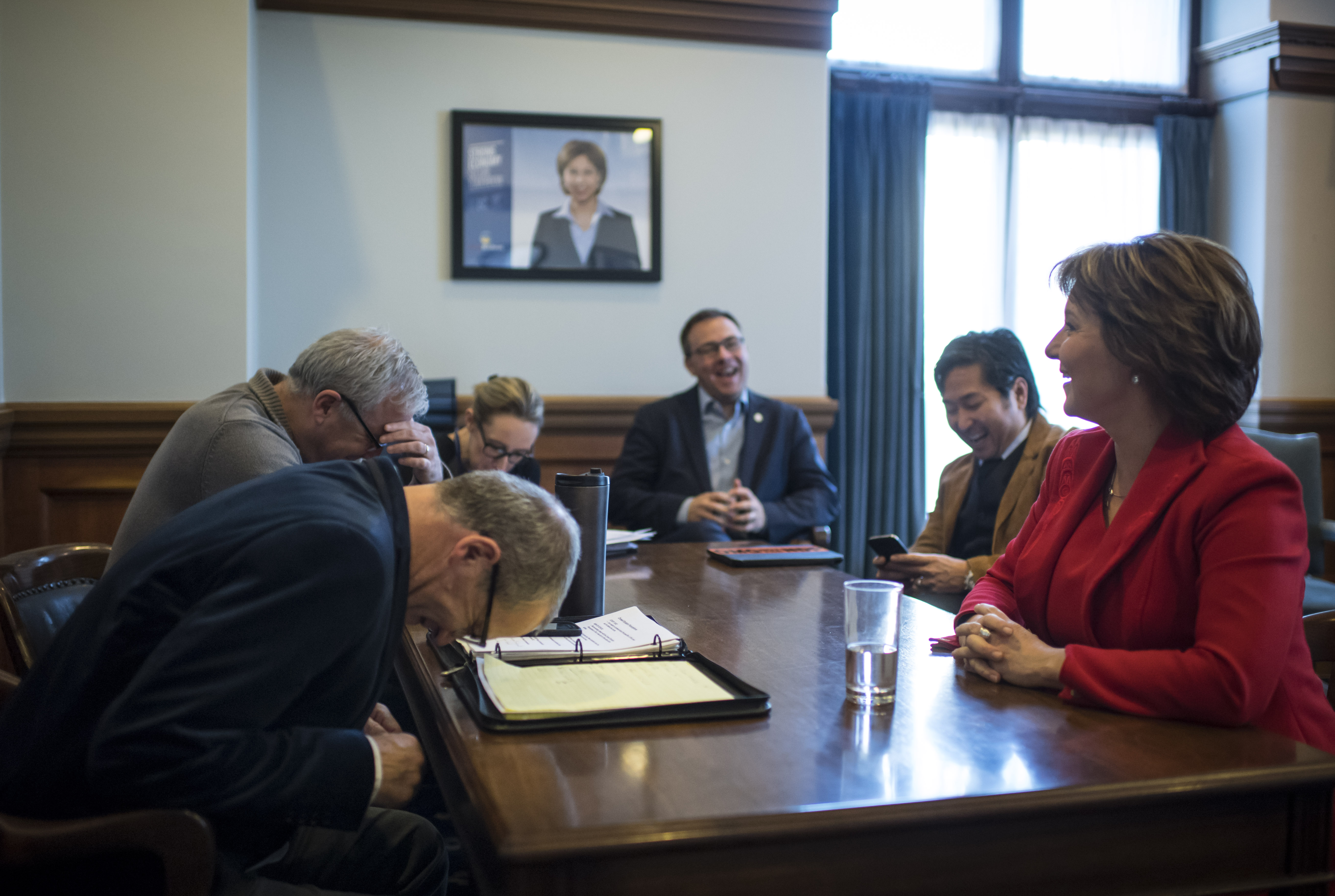
    Premier Christy Clark. Photography by John Lehmann

    Growing up in Barrie meant experiencing the full calendar of seasons, with all four arriving and departing on schedule with Germanic efficiency. Politics also has times of change, though the timetable tends to be more fluid. But a new season is upon us. Tomorrow is Christy Clark’s last day as premier. And that means tomorrow is my last day working for Premier Clark.

    What have the last 60 days been like? Imagine football, English football – footie, if you will. A brutal and unforgiving game, it is, especially in tournament play. A hard fought 90 minutes, then opportunities in extra time unfulfilled and penalty kicks to decide. As an England supporter, it’s a common ending of heartbreak.

    But those are the rules. So, players clear out the lockers and return to club teams and fans obsessively analyze what happened; all dust themselves off and expectations rapidly turn to the next tournament. The memories never fade totally but hope springs eternal in the fan.

    This weekend was the clearing out of the locker in the political game of football. When packing up the office and discovering artifacts collected over 16 years, memories come surging forward. Right now, acting as lone sentry on my desk is the coffee mug (from the PG Free Press) that I walked into the building with. Seems fitting it be part of the farewell.

    Walking into the B.C. Legislature for the first time as an employee is daunting; it’s a breathtaking symbol of democracy, it chills thinking you work there and have the opportunity to contribute to the life of the province. The reality, in spite of the insipid ranting of trolls, is those who come to work here see it as public service – they want to make British Columbia better.

    To this day, walking up to the Leg – night or day – evokes the same reaction: awe. “I get to work here,” always mentally passes through my mind. It’s not a burden, but a great feeling of responsibility.

    There’s also the paraphernalia one accumulates. Pins showcasing the 2010 Olympics, pics from the opening of the Port Mann Bridge (definitely right bridge, right time), a thank-you note from the late Sindi Hawkins for work done during the 2003 forest fire season and a lot of clothes that chart style changes of more than a decade.

    A collage of faces is created by walking the hallways, dipping into the nooks that populate the rockpile. The three (wise) men who first interviewed me, folks who have gone on to earn degrees from some of the world’s top institutions, friends who served in opposition and all those who have I been lucky enough to call colleagues and friends – all shared a passion for politics and, yes, a pint.

    And the last six years have been the best of it all – working for Christy Clark, who is a remarkable person and leader. Indefatigable. Optimistic. Focused. Caring. And it’s the last one I will remember the most. There were some tough times over the last six years. Arriving in Burns Lake after the mill explosion and walking into a community full of hurt and offering comfort. Travelling to Tofino after a tragedy brought the world’s media to the small town for all the wrong reasons. Just last weekend in Kamloops, talking to those who saw their homes destroyed by wildfire. Those are the moments when character is defined.

    It’s not a pledge in a platform, it’s not something you can plan for. It’s something that is reactive and I feel honoured to have served with someone who offered that leadership to the province. But there’s a reason I chose the pic at the top. She’s funnier than hell. And no matter what, she could make you laugh.

    This is not a political epitaph. It is a reflection of how lucky we’ve been to serve. This isn’t about the lion in winter, but more the lamb in spring. Seasons, invariably, change so renewal comes. Regeneration is the new normal. So, in the spirt of the 10th Doctor, let me just say: Allons-y.


  • Brands before branding

    20170709_162115.jpg

    Everyone remembers the male star of their high school orbit. Good hair, no acne, a flash car, languid athleticism and an easy way with girls. He was the envy of all; it wasn’t till later that it became evident his life maybe wasn’t so charmed. In my circle, it was Chuck – with the only difference being we felt envy and sorry for him in equal measure.

    Today, of course, no one feels sorry; you feel sympathy or maybe even empathy. Then, we felt sorry for him. There was a reason that Chuck was even in my social circle. Yes, he drove the flash car – Celica Supra (hey, it was the early 80s); was tall and had the build of a volleyballer; long, blonde hair that flopped stylishly (again, it was the 80s); he had everything, on paper.

    But we crossed paths as we both worked at Kentucky Fried Chicken – me because I much needed the money; him because he wanted much more than his allowance allowed.

    The allowance was provided by a trust fund worth millions. This is where the feeling sorry part comes in. His mom was gone, his dad recently died. There was a large amount of money awaiting him when he turned a certain age. In the meantime, his trustee doled out a certain amount. Car, fine. Trainers, jeans and polos, okay.

    Brand names, though, were a different story altogether. The trustee could not see the point of spending hundreds of dollars on a single piece of clothing. So if Chuck wanted brand names he worked. At KFC.

    He and I didn’t share common backgrounds but did have common interests, including tennis. We also coveted the same polos – Lacoste, the big alligator was the symbol that everyone wanted stenciled on their chest for the world to see.

    As a teen, it represented the symbol of success. Pop that collar and the strut magically appeared and chin jutted a little higher. And pastels ruled the day.

    The chase for the croc exerted a strong enough pull on Chuck he was willing to risk a bad case of acne from all the grease that seeped into his pores from standing over the chicken pots. For me, the Croc was important but not as important as my Stan Smiths or Donnay racquet.

    Not much seems to have changed – logos adorn the current generation’s garb, even bigger and bolder. But, thankfully, without the collars popped.

    As I’ve aged, though, I’ve become reticent to act as a mobile billboard; to freely give away prime real estate. I almost want to offer a cheap rate, something akin to a click-thru for every person who looks at me and develop some retinal-esque scanner to collect.

    This is not to say there are not shirts with a crocodile on it or a polo horse hanging in the closest. The logos, though, are not the super-sized ones which takeover one entire side of your body like someone has added water and the flora has grown out of control.

    With age comes a reality: brands before branding. Don’t get captured by the marketing, the magazine advertising that poses as editorial content or that ‘everyone’ is wearing it this season. In that sense, males have it easier. Stay away from too trendy of purchases and a man’s closest has more flexibility and staying power.

    So now I tend to stalk clothes and shoes. Do I like the colour and texture? That can take a couple of trips. Then the fit, some areas can be tailored, while others will always be ill-suited. Then will come the purchase, often a good one can be replicated in several shades.

    Here in Victoria, it’s cool at night – a breeze always pushes the heat along out of the way – so sweaters are essential. (Digression: Having lived in places where it was so cold you measured it by how many sweaters you needed – it’s a three-layer day – I’ve been inordinately fond of them.)

    All my favourites have no logos. I know what I’m wearing, I can feel what I’m wearing. That’s the power of brands over branding. Smedley is luxurious and only I need to know that’s what’s warming me up, alongside the whiskey while patio sitting.

    It’s understandable for designers, especially newer ones, to splash names and logos in big bold ways as they cannonball into the market. But after a while, go subtle. My biggest pet peeve is when designers feel the need to stick their names on the buckle. No matter my affection for the belt or craftsman, that purchase will fail to materialize.

    All of this was sparked by a friend who was talking about brands and how she adores her grandfather’s old Lacoste shirts. Maybe the colour has faded, but the sense of style and quality has stood test of time. And that is the power of brand quality over branding power.


  • Lessons Learned

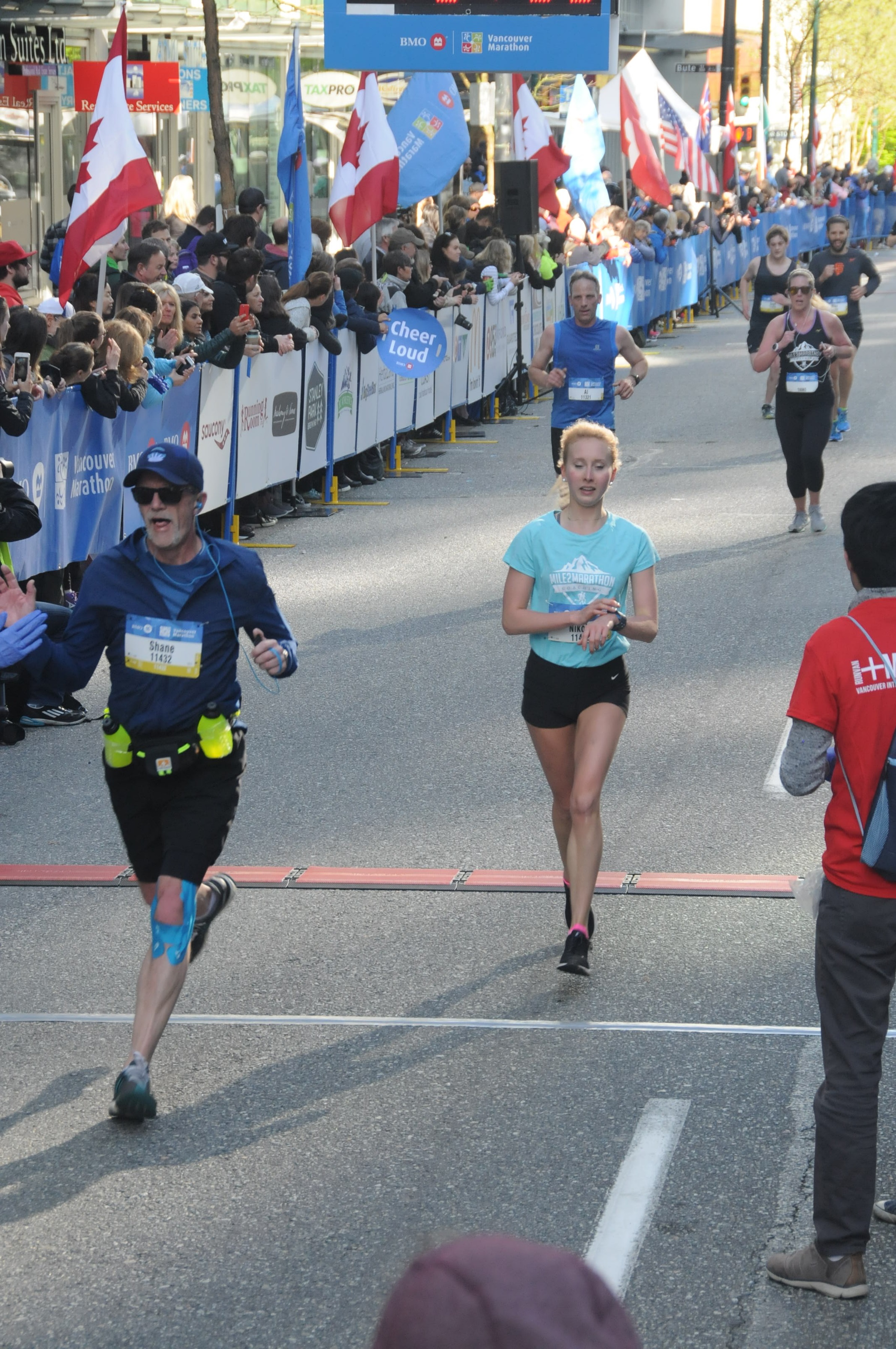
    It’s been one week now. Seven days of reflection, pondering why disappointment was the overarching mood after successfully completing the Scotia Half Marathon. It doesn’t make any sense: a gorgeous day to run, stunning vistas on the route, well-done post-race area and meeting new running friends for brunch. But still, for some reason, discontentment was what prevailed.

    Recognizing it was a dumb reaction, I’ve analyzed it to hell and discovered six lessons learned so the next race doesn’t suffer from my sensitivity. These are basically lessons to myself, but may help others who get too caught up in the minutiae.

    Race spacing is not over-rated. In fact, it is a vital part of the planning. This time I ran the BMO Half in May and less than six weeks later lined up for the Scotia Half. The distance was not the issue; but one recovery week and then a tapering week meant only four weeks of running, so no real time for training.

    Training for improvement takes time and if you can’t find the time don’t be surprised if your time remains static. This was the first event where I haven’t improved my result. On reflection, the result is exactly as what could be predicted. For all my other races there was at least two months between, which allowed for full and varied training with the resultant improvement. Practice does payoff.

    Managing expectations down to reality will keep your ego in check. There comes a day when there will no longer be lopping off of massive chunks of time. Progress will be measured in seconds. Deal with it.  Accept your age and remember to measure against yourself, not Mo Farah. Unless you are Sir Mo, then enjoy.

    Pre-race walk/drive is essential. Vancouver is a largely unexplored urban jungle to me. Outside of the downtown core, it is all new and I only possess vague idea of Spanish Banks and the names that accompany the route. All everyone talked about was the big downhill. No one shared about the hills that follow. Having never been on the course, I had no idea what was at the top of each hill. So conservation was needed. A walk or drive of the route would have made managing the race easier. This is the biggest factor leading to the discontent.

    Race day is always unique, with each event having its own feeling and vibe. But whether it is a race with 100 or one with 40,000 participants, there are some things that never change. Plan how to get to race and what you’re going to do with gear, you don’t want to be tossing a jacket halfway through. Respect the porta-pottie lineups, get in them early. Have a plan for pace and stick with it. It really is that simple.

    Most important, as cliché as it may sound, have fun and enjoy the race. You’ve trained for it, worked hard and there is no Olympic glory or sponsorships waiting you. Bask in the accomplishment. You’ve just finished the race, time be damned. And if you’re feeling disappointment, sign up for another.


  • Me and Yogi

    666327_256328989_XLarge

    As you age, your athletic skills diminish. Doesn’t matter how good you are, there is a declining return. Nothing can stop that inevitability. But what doesn’t really ebb is the competitive nature – the will to win, the passion to push through pain and desire to triumph. I discovered that by joining yoga. Yes, yoga.

    Time to step back a few strides.

    The realization that competition was still important first become apparent last fall. My first real half-marathon (the year before an injury prevented full run) and all the targets set were about me – that was the only person I was competing against. And the competition was successful, targets met in terms of time finished and weight lost.

    Second half was also same internal targets. And struck them off my list.

    The latest half was the BMO in Vancouver. It was the first time I’d ever raced outside of Victoria, training schedule was sporadic and mostly didn’t want to embarrass. There was, however, a point in the race when it was irritating to have people pass. Rationally, these are people who are – for the most part – substantially younger. They are fitter. They should whup my ass. But…

    There were times during the race when it was important to use your inner voice and to tell yourself to run your own race. We’re not racing the people beside you. It’s against the clock. Don’t push too hard, run your pace and finish the race.

    Yes, the person passing is 25 years younger, exhibiting perfect form and doesn’t appear to have broken a sweat. Doesn’t matter. It still rankles. However, you can take that irritability (it doesn’t really rise to anger, as they are just that much better) and concentrate into something beneficial.

    First two races, never noticed if there was even age classes and how I’d fared. But at BMO it caught my eye. Though many people had passed, power to them, this was a way to see how I was doing against other old farts. Some of them were kicking my ass, to be honest; never likely to catch them. However, there are times that are manageable.

    As a runner, that’s what it becomes about – setting new PBs, looking for edges to improve each time out. Now there are targets. If others can break this time, than it sets a goal for the future that seems achievable. Let’s be honest, there’s a small window of time – as an old guy – where improvement is possible; won’t be long till it’s about maintaining and then setting new goals of slower times.

    And that brings us to entering a yoga studio.  I never imagined myself wandering into such a space, rolling out a mat and lying quietly for class to start. There are a variety of reasons, for this. Chief among them being by 140-lb, high school rugby/football playing self couldn’t touch his toes without bending his knees; flexibility has never been a strength. Plus, not to hide from the truth, the whole touchy-feely atmosphere that surrounds yoga is kinda weird; the constant optimism, I imagined, must be well and truly exhausting and trying to remember all the strange names that go with each pose.

    20170601_183624

    Actually, it is the remembering to breathe at the right time which might be the most challenging. Something as normal as breathing shouldn’t be too challenging, but it was (is). And the shaking of the inner core while struggling to maintain position is a new feeling – some old muscles being rediscovered and they are very unfriendly, seemingly they were happy in hibernation.

    There is frustration, for sure. But that’s expected. That’s the aim of attending the classes. Strengthen the core and making sure the old knees can keep on trucking. So there will be no giving up, no whining and no expectations. I don’t foresee a day when I’m a yogi, at the front on the class, and I’m at peace with that. That’s sorted.

    Wanting to be competitive on the road means you must be competitive in the studio. So, while it may seem inharmonious, yoga has helped to capture the competitiveness need to stay fit and healthy. And now, I’m late for yoga, and I must go contemplate the incongruity of life.

  • Suiting Everyday Occasions

    Dressing to delineate the different moments of life

    Welcome to the interregnum, where we wait. For those who don’t follow or, possibly, care about politics, a quick recap. We had an election in British Columbia; my party won the most seats but not a majority. There are recounts and the need to count more than 175,000 absentee ballots, which shall take about two weeks. Oh, the seat that could give my party a majority was decided by nine votes. So we wait. Now that everyone is caught up.

    It was back to work on Thursday. And that means being fully suited, properly booted and appropriate accessories adorning.

    While walking through the building I ran into a fellow who works for the other party. We shared the proper pleasantries, congrats all round, how we’re all looking to the final count being complete. As an aside, I shared my preference for sports with clear results over judged sports like figure skating – because right now it feels like the whole province is waiting for the Russian judge.

    But he noted that we also had different waiting styles – he was in jeans and t-shirt. I was not (see above).

    And that got me thinking – it’s not so much that clothes make the man, but that clothes mark the occasion.

    To varying degrees, different situations call for different uniforms. Each can be made to reflect you’re taste but, to me at least, there are certain rules that make dressing easier and act as a guidepost. Not talking going all English school boy uniform or jeans falling off the hips; that uniformity actually robs folks of any individuality. Snob or slob is not distinct.

    When I go to work, for me, a suit and tie is the uniform. Now, I’m pretty conservative when it comes to suits. Purchases should last, not be too trendy. So there are no skinny suits, electric blue is banned and burgundy is not happening. But the solid suits that can last are a perfect palette for adding vibrancy. Pocket squares are a good accessory, along with colourful socks but not novelty ones, shoes that matchup with the style of suit are essential. And playing with the pattern of ties and certain shirts, aside from the old standby white and blue, can make standard combinations have a new vigour. One lesson learned, though, is not to use too many things – don’t have puff, tie clip, lapel pin, vest and cufflinks. It’s simply overpowering. Be selective.

    Now the uniform boundary can be pushed with sports coats, which add different feel and texture depending on the season. In my closet is a black and white jacket that has a 60s feel (the era not my age) which works by keeping the entire ensemble to those two simple colours from tip to top. For the crispness of three seasons in Victoria, tweed – interspersed with blue weave – serves well and matches well with a variety of combos. A couple of unstructured jackets are perfect for almost all circumstances, semi-casual or casual – dress pants, cords, regular pants or jeans. But my fave sports coat – which keeps its power to impress through limited viewing – is blue velvet. It’s luxurious mingling with charming – it always gets a strong reaction, with men mostly not in support, while women far more supportive.

    One tangent: a turtleneck can be deployed in a variety of ways – without looking like a 1970s college prof or Steve Jobs. (Actually, avoid the black variety.) But a turtleneck with a suit can take a standard look and give it an air of nonchalance without looking bizarre. It also works well paired with jeans and the aforementioned sport coats. Mocknecks, though, remain very risky.

    When the weekend comes, well. Once upon a time that meant a variety of slogan t-shirts, which have now been consigned to the charity shop for a variety of fit reasons. Replacing them is variety of solid t-shirts, polos, knits, zips and half-zips and, yes, some short-sleeve shirts, plus linen ones. They match with cords, jeans or, hopefully soon, shorts. There is one only one real hoodie in the wardrobe – as in no zip and a hood, bought in Seattle with the king of hoodies – which is kept for a trip to Niagara Grocery on a Saturday morning for some of the best bacon in Victoria. But the guilty pleasure is the track pants, which are a Sunday staple. Comfy, warm and suitable for just about any chores the day can throw about you – the height of versatility. Pair them as you wish – Vans or boots, half-zip or t-shirt – they are remarkably adaptable.

    Workout clothes are another story. The hint is in the name. So unless about to or just finishing one, they deserve to be shown the proper respect and worn in the appropriate setting.

    This demarcation by clothes is not a new occurrence. For years, I’ve gone to work dressed casually, changed at work and then at end of the day changed back. At the pub, others remain in a work clothes but I wanted to be in my ‘drinking pants’ as folks dubbed them. Reflection illustrates it goes deeper than that.

    Some folk think of clothes selection as an imposition that is a roadblock to getting the day started; thoughtful picking of an outfit is reserved for special occasions to them.

    I like the routine and delineation that comes from marking the everyday occasion. Now it’s time to suit up – in the best sense of the word – with the appropriate armour for the day.

  • Race questions run wild

    IMG_0098

    So, can’t fib. Starting to get a little nervous. Less than a week to go to the big day. Wondering if made the smart choices. Did all those small things that can make a difference. Had the dry run and that was okay. But the doubts always come, no matter how many times you’ve done it. Worrying is normal.

    This will be my first half-marathon outside of Victoria. It also comes in the midst of an election campaign. While training was going well, the last 22 days have been a little more unpredictable. No regular run time, hour or two snatched here and there. First run through Stanley Park, instead of along the Seawall, ended with a wrong turn.

    Managed to complete the Sun Run, which was quite an experience. The sheer mass of humanity, the breadth of size and speed on the course, was not like running the TC 10. Near mishaps were frequent and felt line a running back, cutting back against his blockers a few times to avoid collisions.

    But now the race is looming.

    Questions run wild through the mind.

    Should I be focused on a PB? Do these shorts make me look like a hobo? What will the weather be like? Should I use gels? Do I need a jacket? Never raced and drank water, should I?

    It’s frigging exhausting.

    How many carbs to eat? Should it be a slow carb buildup instead of a Saturday night splurge? Does beer count? Hat or no cap? Oatmeal for pre-race meal? Stick with the usual, yogurt and bar? Long-sleeve shirt? Create a playlist or just shuffle along?

    Soon the questions will be pushed aside. That’s the best part of running. It’s a simple routine that is solely dependent on you. Failure is in your head, as soon as the starting line is crossed you’re winning – you’re doing something active. That’s a win.

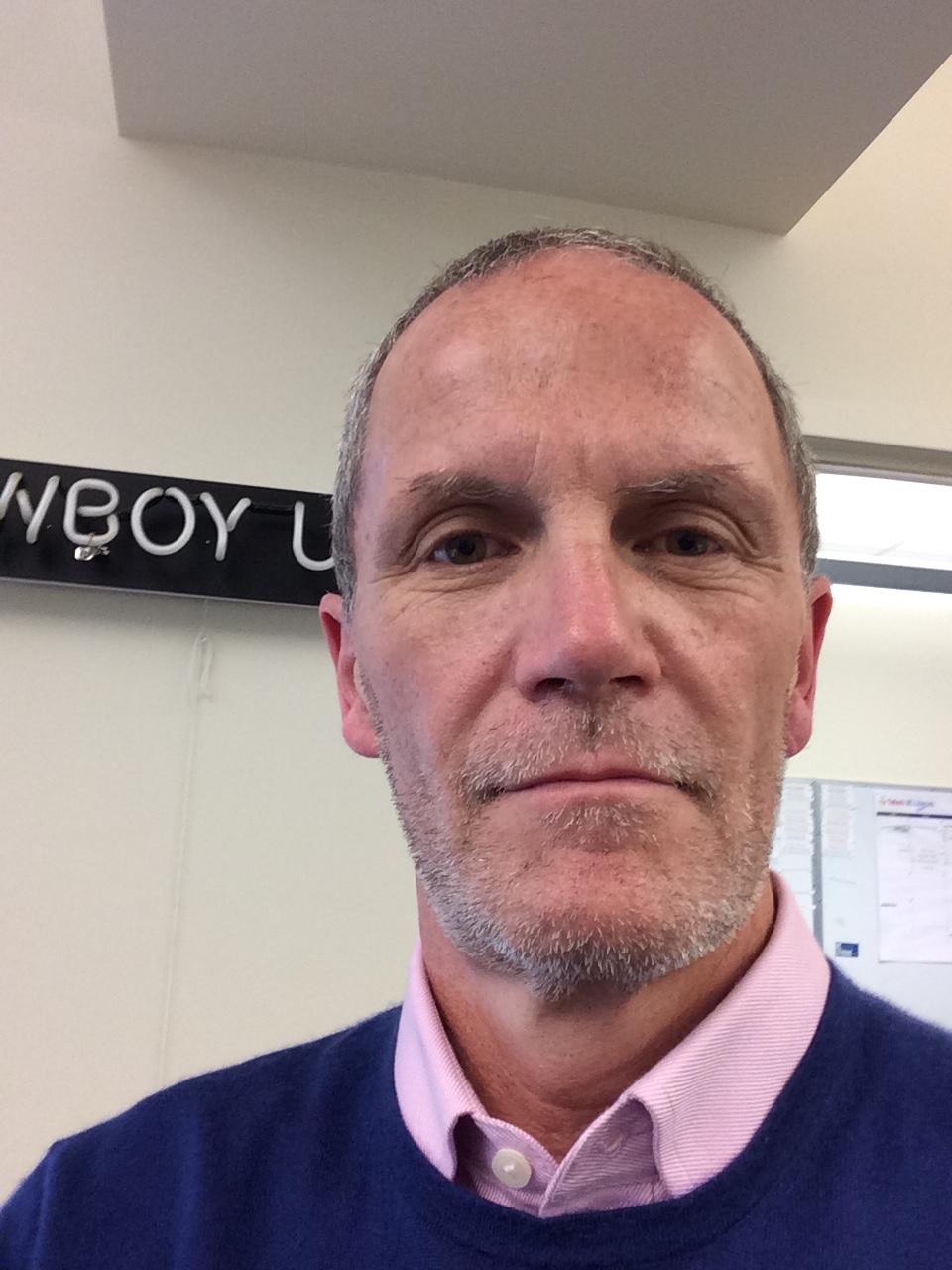
    Now, the #campaignbeard update. Notice, if you shall, that it’s now streamlined. This is part of a plan. It’s building to momentum. Trust me, you’ll #fearthemo. But first it’s #fearthegoat


  • Political-media complex, it’s contagious

    image1

    #campaignbeard hits Day 15 – turning into #fearthebeard

    In every reporter’s desk there is very likely a manuscript tucked away. The novel that explains the intersection of culture and corporate capriciousness with an elegance unmatched since F. Scott Fitzgerald. It’s been cobbled together over late nights, bleary-eyed early mornings and the time in between before the hangover sets in.

    In more modern terms, there’s a file hidden on every blogger’s cloud that reveals the unjust world and how politics and journalism have failed to deal with the explosion of a new paradigm that doesn’t recognize the old world class system.

    Or something like that.

    As a person who’s entire working life has been spent in the orbit where politics and journalism collide, the idea of penning a book based on experiences has passed through my mind. It usually gets parked quickly as life pushes the moments needed aside. But that spark remains, with the ember rising hot when certain media pour a little Cariboo fire starter on it.

    FILM, at first, seemed like the best starting place for political focused stories to recommend.

    All The President’s Men: Dark politics mingling with honest journalism in a mix that sent a thousand kids to journalism school. It’s a classic, with great acting and holds your attention even though the fall of Nixon is pretty well known.

    The Candidate: Another outing that helped to cement Robert Redford’s stature as a leading man with depth. A candidate who can’t win, speaks his own truth and… you guessed, ends up winning. Ended up with extra resonance as it came out just as Milhous was getting re-elected but before full extent of Watergate was exposed.

    Bulworth: Another satire, starring an aging Warren Beatty who knows he’s going to lose and simply doesn’t care. The plot is slim – he takes out insurance policy, plans to get assassinated so daughter benefits, meets Halle Berry – but some of the provocative scenes of Beatty letting loose about race and power still hold up nicely.

    Power: Speaking of power, this Richard Gere movie was powerful – especially for an aspiring, idealistic reporter who was enthralled by the mystery of the men behind the scenes. Thank You For Not Smoking is a spiritual successor of the movie as well.

    The Distinguished Gentleman: Eddie Murphy, really? Yes. The comedy about a conman who talks his way into a Congressional seat is surprisingly pointed – the hunting trip and look on Murphy’s face are worth it – and even the EMF argument, which was timely then, still hits the news on occasion.

    The Contender: Joan Allen gives a searing performance, along with Jeff Bridges and Gary Oldman, about the appointment of the first female vice-president. Nominated for a Best Supporting Oscar, Allen refuses to bend her own rules to make history and faces ‘character assassination’ as a result. Fascinating film, especially the role of Bridges as the President – a cunning man, who presents a multi-faceted facade while never abandoning his own objective of burnishing his legacy.

    Honourable Mention:

    The American President, Dave, Primary Colors and the Manchurian Candidate, plus Mr. Smith Goes to Washington for old time’s sake.

    TELEVISION has, over the past few years, supplanted film as the home of some of the most trenchant commentary on the politicians and intrigue they create.

    West Wing: Let’s get it out of the way. Political folk like it, reporters like it. They like the view that comes from gauze being thrown over the lens, portraying everybody with great sympathy. Some great acting and really brought the walk and talk into political culture.

    But to me the British nail this the best.

    The Thick of It: One of the most sides-splittingly shows ever. Peter Capaldi delivers one of the most entertaining and oddly endearing performances of a political aide. Largely thought to be based on Alastair Campbell, Capaldi’s Malcolm Tucker is brilliant, profane and makes a dazzling transfer to film – In The Loop – by always using his inside voice as loudly as possible. (Also think he’s great as The Doctor)

    State of Play: Never see the American version with Ben Affleck. Just don’t. But the six-part original British version is outstanding. John Simm, Bill Nighy, Kelly MacDonald and David Morrisey are an ensemble cast that play off each. The politician in trouble, reaching out to his journalist friend for help, the crusading newspaper editor, the slugs on the edges of life – Paul Abbott brings it all to together with style and suspense. A great way to kill a weekend.

    House of Cards: Admittedly, snobbery and past experience have conspired so I’ve never watched the American version of the show. People say it’s good. The three-part British version is a little dated, heavily tinged by its Thatcher-era politics and fascinating to those who work in the parliamentary system.

    Veep: The first season was a disappointment. Expectations were high as Armando Iannucci was the creator, the same genius behind The Thick of It. It somehow fell flat but HBO’s faith in the show has been rewarded, each season it gains strength, benefitting from the British practice of short seasons. Julia Louis-Dreyfus inhabits the role of Selina and this from a guy who doesn’t like Seinfeld. As well, which political staffer hasn’t been called Gary.


    Dreamland: Far more low-key in pace and volume, this Australian series gently pokes fun at the bureaucracy and the circuitous and unfathomable way decisions can sometimes be made. It is very much an equal opportunity show, poking politicians for jumping on ideas and the public servants for finding ways to thwart all progress. Rob Stitch as the head of the department, who finds meetings and studies a sad reality of the job that interferes with actually building anything, is pitch-perfect in his vexation of all that swirls around him.

    Honourable Mention:

    Yes, Minister: The standard for all that followed. ‘Nuff said.

    Spitting Image: The puppets are rumoured to be making a comeback, with the focus on U.S. politics. But the devastation wrought by the original puppets is legendary – they confirmed in some cases and in others created the lasting image of the politicians they skewered. In particular, Margaret Thatcher and gray John Major.

    Madame Secretary: A light addition, for sure, but the charm with which Tea Leoni plays the lead character holds it all together makes for a pleasant diversion. It also shows that sometimes things don’t work out, that good guys sometimes lose.

    Not Honourable Mention:

    Scandal: A plausible first-half of the first season soon descended into some weird form of fan fiction. Absolutely horrid.


    BOOKS are often turned into movies, the good and the bad ones. The two offered up here as examples were never made it to the screen, large or small, but have remained two of the touchstone political tomes, despite being from the 1972 campaign.

    People may not remember this, but once upon a time Rolling Stone was a magazine of influence. The two books, while wildly different in style, share a substance that stands the test of time after first finding life in the pages of the alt magazine.

    Boys on the Bus: Timothy Crouse’s look behind the scenes at life on the road. This was a time before satellite trucks and cell phones and Facebook live. The pace was simultaneously faster and slower, with the pack all living on top of each other. Crouse captures the passions and proclivities of those covering the campaign, many of who went on to long and exceptional campaigns. He also clearly details the pitfalls of spending so much time together, the pack journalism that is unintentional but still very real.

    Fear and Loathing on the Campaign Trail ’72: One of the characters in the above book is Hunter S. Thompson, the father of Gonzo Journalism and the reluctant step-father to a lot of bad imitators. Others may prefer Fear and Loathing in Las Vegas, but this is his my fave in the Thompson oeuvre. He clinically dissects Richard M. Nixon. At this point, no one understands Watergate or the pathology that drives Nixon. This is the election where the Republican romps to victory; Thomson with his wild flourishes is written off as a hippie who refuses to accept times have changed. Turns out he was right. The only credit he gives Nixon: knowing his NFL.

    And speaking of fear and loathing, it is time for the #campaignbeard update. At Day 15, it’s starts to get shaggy, as is the hair – hence the cap. Also hitting the itchy stage. But must remain strong, superstition can’t be trifled with. #fearthebeard
     

  • Rolling through the line

    image1

    End of Week 1 of Campaign Beard 2017

    So, events have transpired that have reminded me of – I’d guess you would call him my step-dad. I say guess, his name is Gord, because when you’re 20-years-old and your mother remarries you’re not looking for a new father figure. So it’s Gord.

    He was a character, for sure. His tattoos were a lesson about carefully choosing the wording. His forearm had the familiar blue-inked anchor of many an old naval guy but his bicep was adorned with the name of his first wife – Grace – which was also my Nan’s name. I found it disturbingly funny.

    Fashion was not Gord’s strong suit, his preference being for bowling shirts – which made sense as he very much enjoyed the game and had the whole Flintstones-esque paraphernalia that goes along with such an addiction. When Shea’s Bowling closed its doors, it was a tough day in the Foster household – as five-pin didn’t cut it.

    There was also his left arm. It was preternaturally tanned; like a piece of lumber left outside in the sun and then finally treated. But only his left arm. His right was the yang to the left’s ying. The right could blind you with its lack of colour.

    And the difference was attributable to his being a cab driver. He rolled around the streets of Barrie with his arm perched on the window, taking the pounding from the sun as a cigarette dangled from his fingers.

    As a cabbie, he was perfecly suited for the profession. Loquacious, he was. I remember the former MLA for Prince George-Mount Robson telling me she had been on business in my hometown, struck up a conversation and Gord wanted to know if she knew me. No matter who you were, once a passenger in his car he treated you as an equal right up until the meter stopped.

    What prompted the Gord memories was another trick he taught – the taxi stop, where you basically roll through the stop sign and then, after a quick check, keep going.

    Spending a week now in Vancouver provoked this trip down memory street. As I walk and run on the city streets, drivers very much seen not to understand what the white line in front of the stop sign means. It’s a stop line, it’s where you bring your vehicle to a halt. Then you look, then you proceed. It’s relatively straight forward concept.

    As well, I’ve also noticed folks well-equipped and well-prepared for the weather – brollys at the ready. That’s great. But then don’t walk under the canopies that are protecting the rest of us, with your umbrella at full extension. It’s kinda rude.

    On the matter of umbrellas, sometimes the hint is in the name – as in golf umbrella. They are ideally suited for keeping the bag dry on the course, they are a dangerous impediment to others as you traverse city streets.

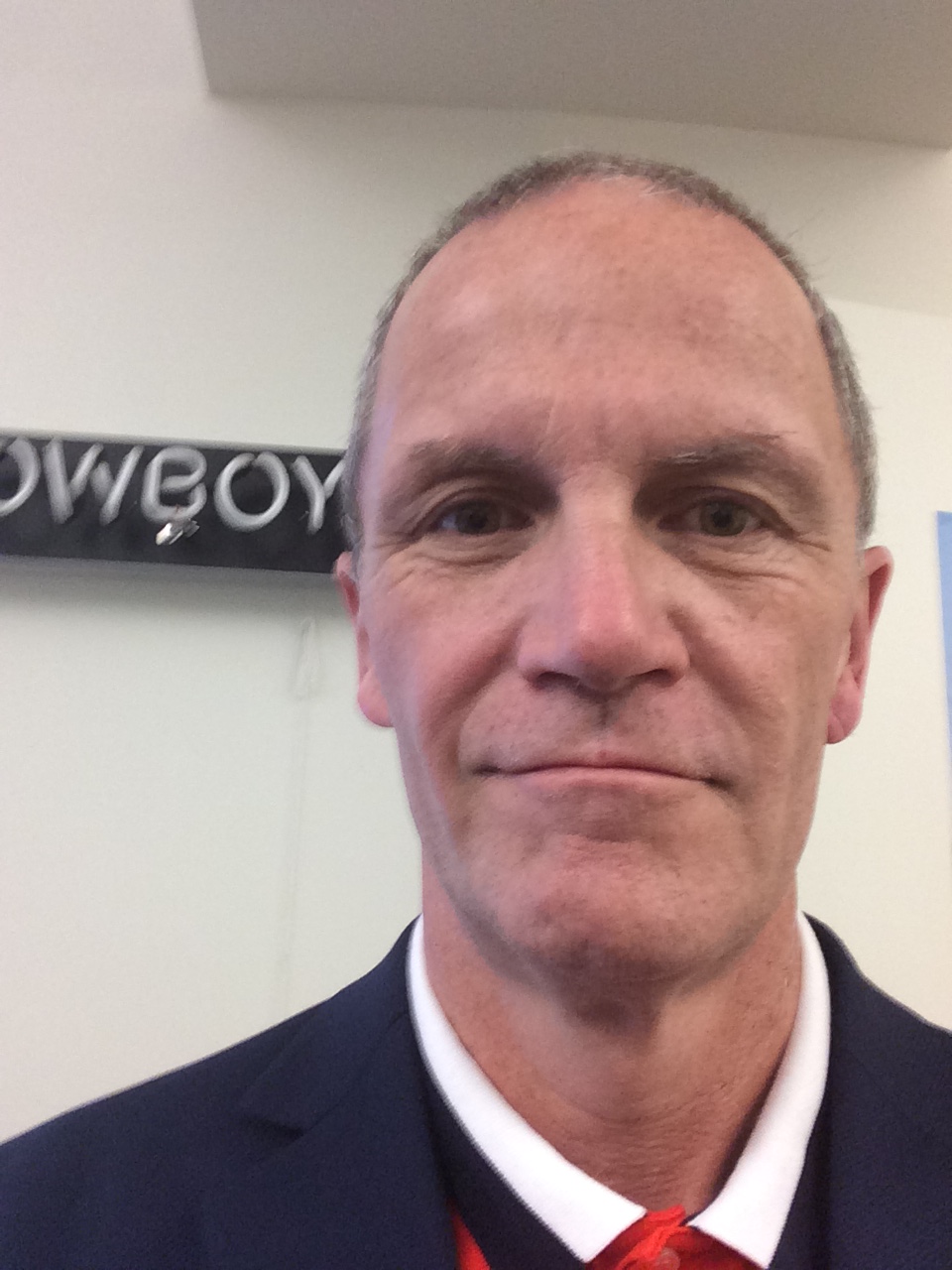
    Okay, that brings us up to date on the last week. The campaign beard continues… it is at the ‘it might look alright stage,’ if had it a bit pepper and less salt. It’s not itchy, no place to hide snacks and the worst is yet to come.


  • Writ, Large


    image1

    Day 0 – of the Campaign Beard. It won’t end well.

    So, the game is now on. Afoot, as a Sherlockian might say.

    Now, the most popular way to portray politics is not as intellectual challenge; except for the odd reference to chess and how pieces are moved around the board as politicians try and remain a few moves ahead.

    Instead, usually, almost without fail, politics is illustrated as a sporting event. For instance, today a report – I’m sure – says the flag dropped to start the race.

    Horse racing, the Sport of Kings, is the favourite by several lengths for reporters. Though boxing always fashions an appearance, as candidates go for the knockout punch or drag themselves off the mat. Every once in a while athletics makes it in, as someone is said to be running a long, lonely race. Plus, whether hockey or football (soccer), the occasional own goal makes its presence felt.

    The sporting analogy is an apt one, to be sure. Old-timers will remember Alan Fotheringham, a Chilliwack boy who made good and arguably made the back page of Maclean’s famous. He’s the first person who I heard say that sports reporters make good political reporters as they’re used to covering games, which might explain the glut of sports metaphors.

    Back in my journalism days, when Paul Ramsey chose not to run again, I was asked to speak at his roast. Memories are vague but comparing the relationships between press and politicians as akin to the WWE springs to mind – what it is now labelled sports entertainment. No one disputed the comparison.

    Fotheringham also said: “In the Maritimes, politics is a disease, in Quebec a religion, in Ontario a business, on the Prairies a protest and in British Columbia – entertainment.”

    So there is a long and proud tradition of compressing politics and sports. For those in British Columbia, the focus is now about the next 28 days as May 9 will be when voters decide who has the honour of forming government.

    During this time, expect no day-to-day insights into how the campaign is going. No Roman-a-clef moments a la Primary Colours. No expressions of angst or assurance.

    There may be posts on the Maple Leafs, the best political books/movies or other random stuff. Like the superstitions that I have developed over the past few campaigns, superstitions that cannot be trifled with.

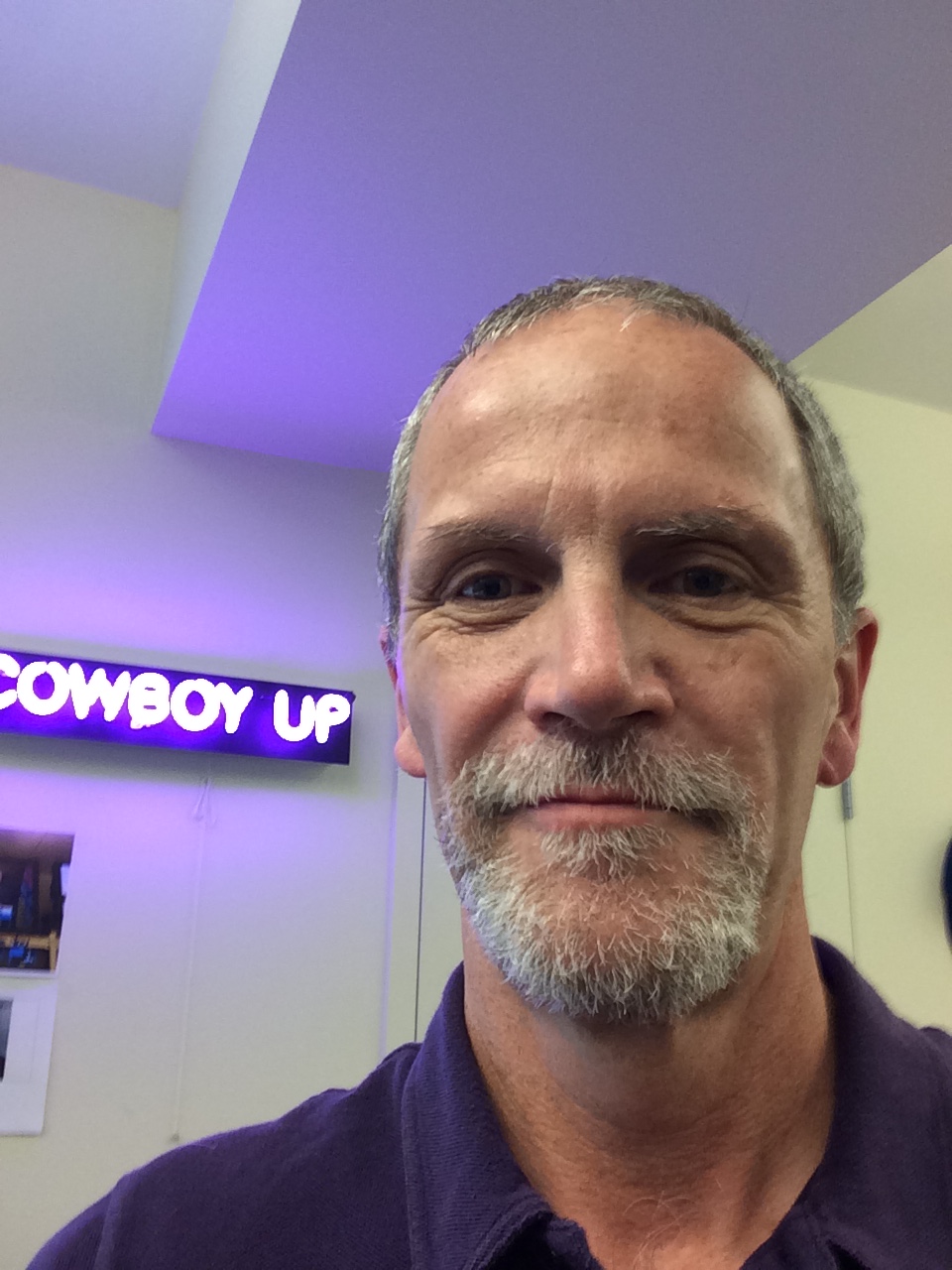
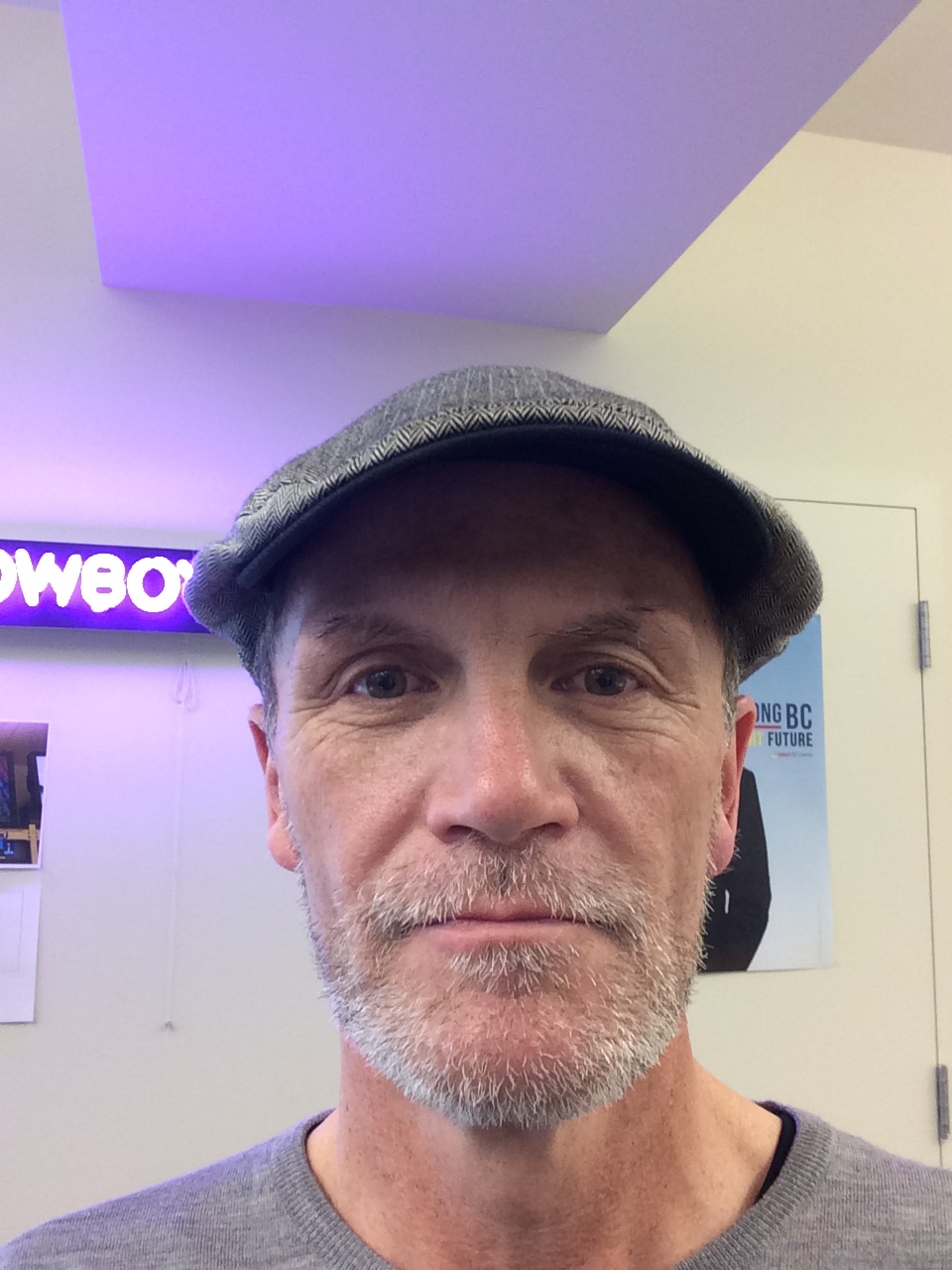
    To begin, the fresh-faced fellow you see before will soon transform. It’s the beginning of the campaign beard… this is day 0. During the remaining days, I’ll update with pictures. It won’t be pretty. That I promise.

    And Go Leafs Go.


  • Ah, when fax machines were high-tech

    Luddite-Sign

    To borrow from Jimmy Carter, I have lust in my heart. Lust to be a Luddite. Dare to dream that one day a meal could be had out that isn’t interrupted by a flashing blue light. A passion burns to return to an era where work stayed at work and only hard copies could follow home. Alas, the discipline needed to make such an occasion is not possessed by yours truly. Call it addiction or compulsion or devotion, my phone is never far.

    For some it will be difficult to imagine a life that doesn’t involve being tethered; where instant reaction isn’t expected and communication isn’t through technology. But as much as it is now accepted part of everyday life – when the madness is, well, maddening – it was not always so.

    In the embryo days of my career, home was Kapuskasing – a pulp mill town that still thrived but was beginning to show some wear around the edges. Queen’s Park, the seat of the provincial government in Ontario, sat some 10 hours down the end of Highway 11. So when requests for information were made, by telephone, the response was: “Sure, we will pop that into the mail for you.”

    Then you waited. At the mercy of Canada Post, who then didn’t have the same reputation for prioritizing service as they do today. Fax machines, when they were introduced, seemed a wildly powerful tool for sharing information.

    Now this pause in the search for truth may seem barbaric or quaint, depending on perspective, but there was also a benefit.

    One of my journalism mentors was Bob Grainger, who always spoke, let’s call it forcefully, against letting new reporters write columns. “They don’t know shit from Shinola,” he would growl. “They shouldn’t be spouting off on the people they cover.” At the time, I thought he was being needlessly old-school – after all he was from the business side of the business. But the pause that came by having to check the mail each day or ensuring the person was at their desk when you called, allowed for reflection and an opportunity to unjumble all the information before putting out for consumption.

    That’s a lesson I still apply to this day: take a breath, make sure whatever you’re going to say is correct and then go for it.

    Tethering has advantages, for sure. The ability to connect when out of the office for a walk or coffee or a golf game – all of it is gold. But some people take the leash too far.

    Now, I’m not most the gregarious guy, but on occasion conversation is good and should be encouraged and celebrated and, most importantly, reserved for the right venues.

    But just because technology allows us to have conversations wherever and whenever we choose, doesn’t mean we should. Sitting in a waiting room is not one of them. The rest of us don’t want to hear your conversation, it’s simply not that interesting. We don’t want to relive the events of last night on the lash with you; we don’t really care about Fred’s rudeness at work; we can barely suffer through ‘okay, I’ll pick up the milk, anything else?’ Same rule applies on public transit or while you’re wandering around the downtown looking for new kicks. It’s your choice where to have these exchanges – so choose wisely.

    Then there was the awkward moment this week where the fellow in the loo had his phone with him, at the urinal. Why? No one is so important that you’re taking that call at that moment. What could possess someone to stand there and have the screen glowing in use? Was it a sexting moment? Was he face timing someone to show the rash had cleared up? It’s a lesson to us all: don’t be that guy.

    Technology has benefits. Twitter is a great broadcasting tool, Facebook keeps folks connected, Google settles many an argument at the local pub and I’m sure Snapchat is awesome.

    The PVR is one of the greatest inventions – as an example there is no need to get up at 5 a.m. to watch the Manchester United match (though, in order to watch in real time, it means 90 minutes of not being able to surf for fear of having the score revealed).

    It’s all about the balance. Try writing someone a letter, instead of an email. Use your voice, literally, and call that friend to reminisce. Make technology work for you, instead of working at its behest. And don’t always succumb to the flashing blue light. Now, excuse me, I’ve got to check my email.