Category: Uncategorized

  • Digging into healthy living

    20190227_204252.jpg

    Whenever the most frequent question – how did you lose so much weight – is posed the same two words fly to the forefront of my mind: portion control.

    That’s closely followed by a desire to expound on the need for proper expectations and a small tangent into it is not necessary to deny yourself.

    The main motivation to beginning an exercise regime is, usually, a desire to shed unwanted pounds. So the focus is on changing habits of inactivity – more walking, hitting the gym or bike, attending yoga classes or whatever. And then there’s a perverse concentration on diet, one that has its main emphasis what is going into the engine and that all past consumption has been undoubtedly evil.

    Diets, shmiets.

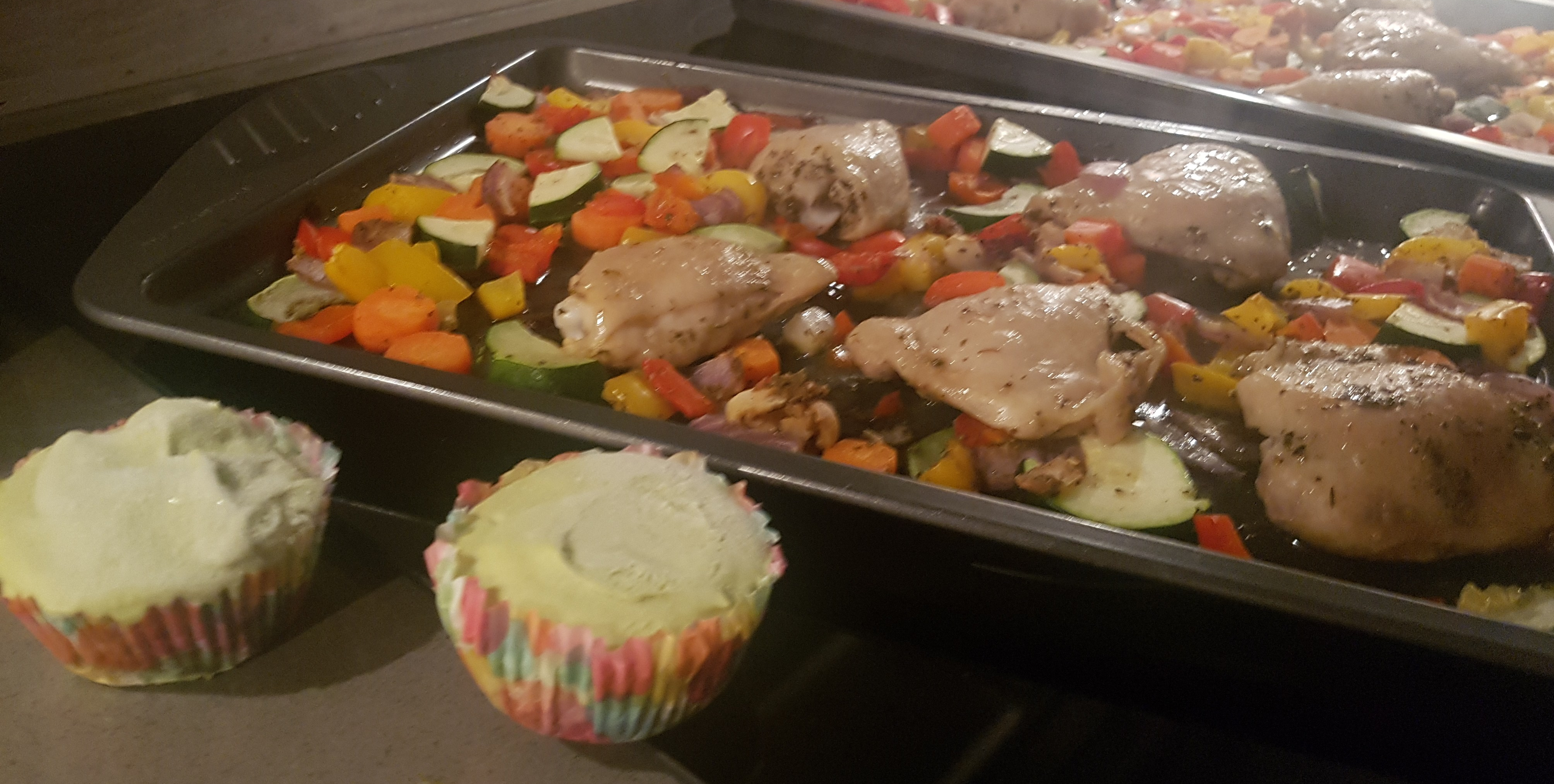
    Okay, if fast-food and fried food is the daily staple there needs to be a change. But what worked in my case was a focus on portion control. And consuming, mostly, clean foods. This leads to sustainability and no yo-yoing of weight which inevitably leads to yo-yoing of emotions.

    First step, embrace some technology. The app MyFitnessPal was invaluable in shedding pounds. Tell it your current weight and goal weight (set workable targets, as they can always be adjusted), it will give you a calorie intake. The old school tracking in a paper diary might have been time consuming – this is not, so park that excuse.

    The best part of the app is the tracker, which can give you counts on a host of foods made at home or eaten out. Guaranteed the size of some meals will shock you. Plus, input exercise levels and it will tell you day-by-day how the goals are coming.

    The other key to portion control is finding some good recipes that provide value, taste and are clear on how many servings are being created. One of the best I found was skinnytaste.com, along with the cookbook Run Fast, Eat Slow.

    These combined to ensure a steady, reasonable and sustainable progress of weight loss. It sucks, at first, as the portions seem small and they are. That’s the point. But it’s also why a couple of snacks during the day, properly tracked, help assuage those hunger pangs.

    And this leads to expectations.

    One day I did not awaken and discover I had ballooned up to 240 pounds. It was gradual, attributable to a sedentary lifestyle, too much beer and penchant for big portions of only one food group. So it seemed reasonable to assume the loss of said weight was going to take some time.

    The trick I employed was to set running targets with weight targets. For first half-marathon, achieve this time and do it at this weight. Then set a new target. When the journey began there was no goal weight; any loss was good. Then a weight was achieved that I feel comfortable at, fit at and does not require deprivation to maintain.

    Now, a moment of honesty. It’s doubtful any of us can expect an Olympic medal in our future, that’s sorted. We’re doing this for ourselves and all the good that comes from that. So knowing that means there is no need to completely deny yourself.

    Cookies are a favourite. So is chocolate. So rather than feel a wave of guilt by consuming them, I try to find recipes that allow me to indulge those beloved treats in the best way possible. But when I sneak a Lindt, it’s not the end of the world. Treat days (instead of cheat days) are another habit, especially as it’s nice to occasion a new restaurant and not feel compelled to look longingly at what others are consuming.

    Probably should have said this at the start: I am not a nutritionist or health professional. If you have serious health issues, talk to someone with letters behind their name. But this is my story of how I lost 75 pounds and kept it off. Hopefully, it can assist you.

    Hope to see you on the road.
     

  • Weathering the conditions

    FB_IMG_1550523463629

    Part of any sport is the unpredictability. Sometimes the day does not go as envisioned.  Training and planning are essential, but as Mike Tyson once said: ‘Everybody has a plan… until they get punched in the mouth.’

    Racing is no different. From freak injury to wild weather to hitting the wall, there’s a host of reasons why the run doesn’t go the way expected. And the first time it happens can be frustrating, especially if running has been a series of successful accomplishments.

    But sometimes the unforeseen can be more of a learning experience.

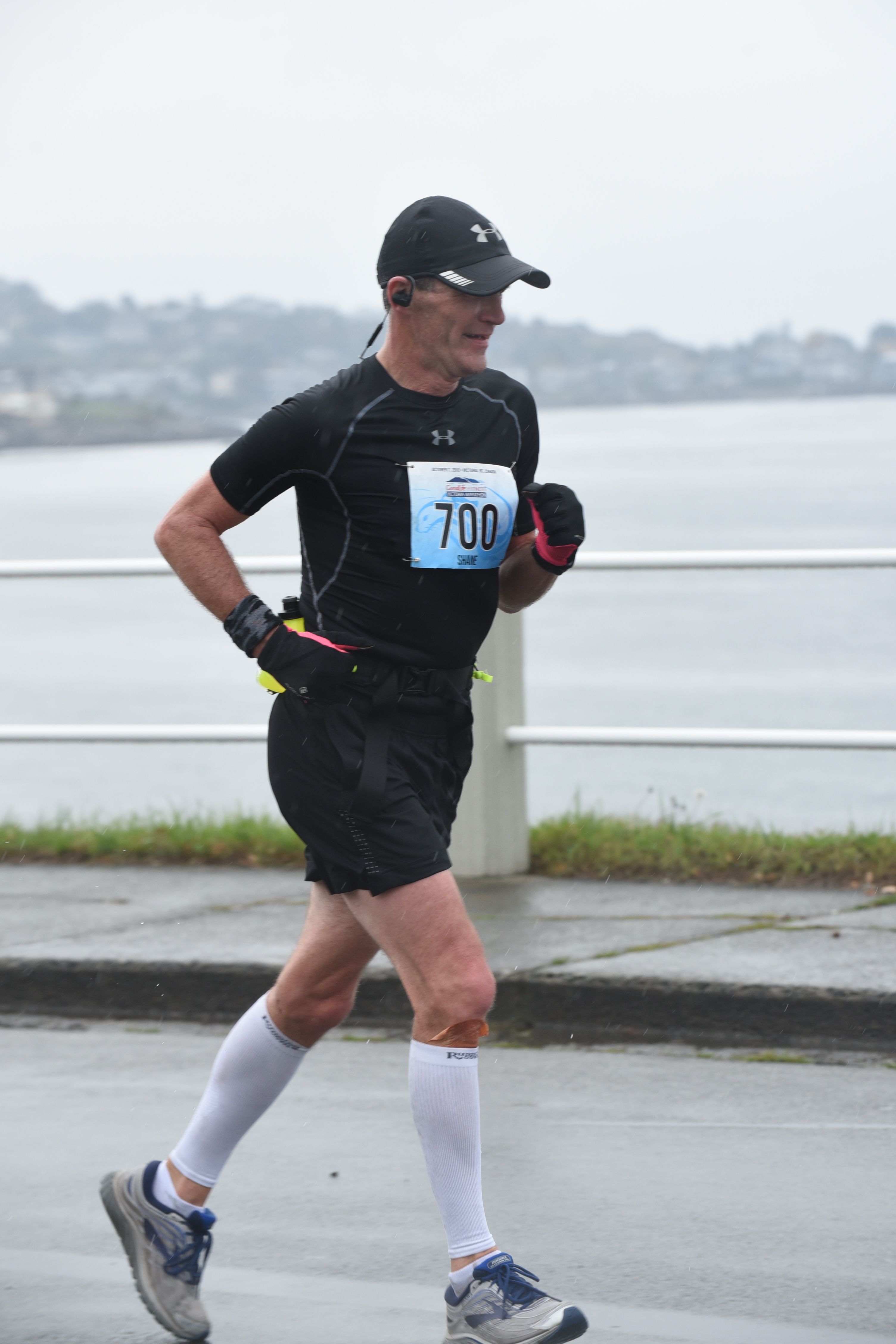
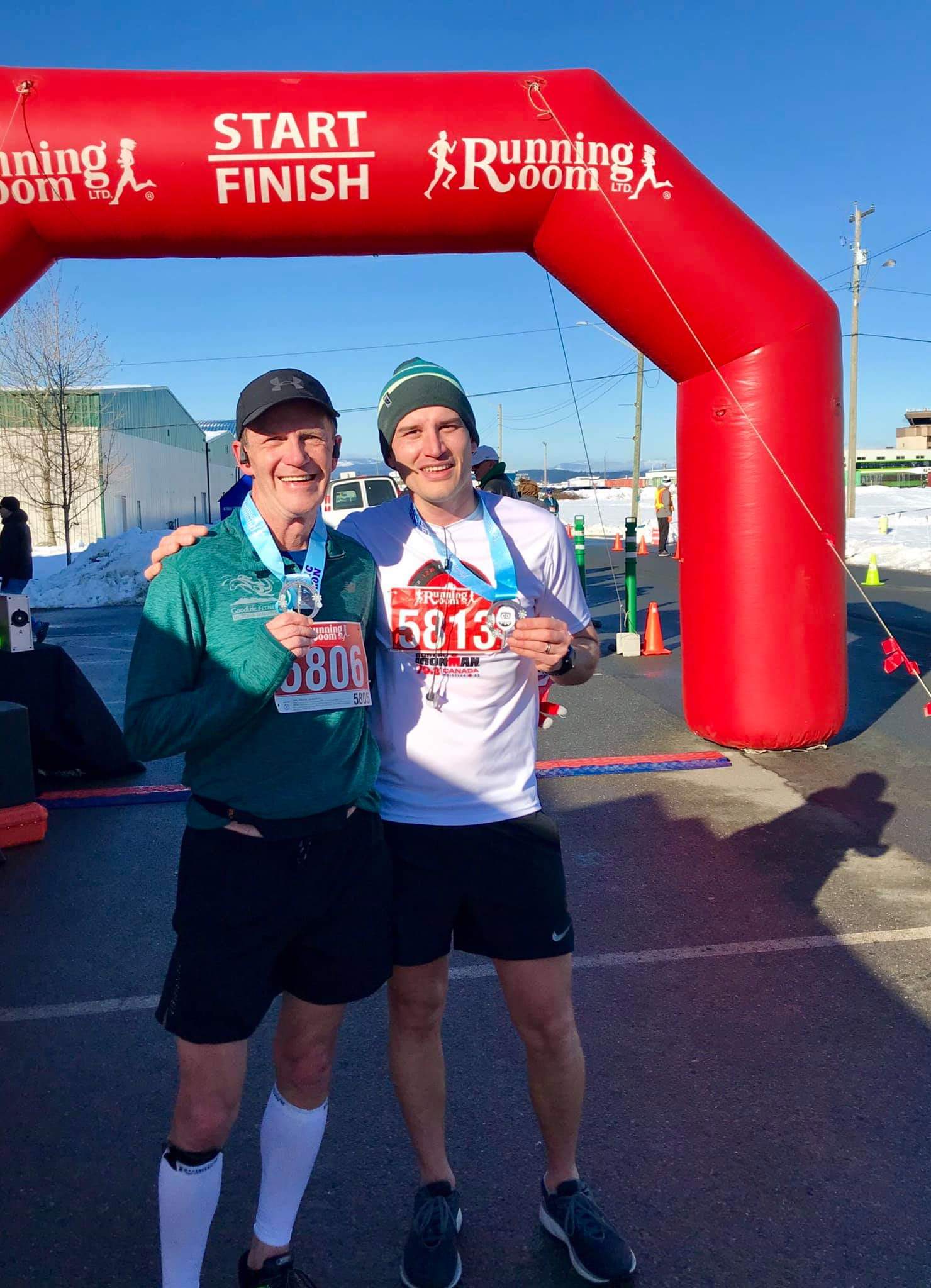
    Take this weekend’s Hypothermic Half Marathon in Victoria. Beautiful weather on race day, clear blue skies and temps around 4 degree Celsius; probably the best setting in the three years I’ve done the race. Now that should have set the stage for what was planned.

    With the Boston Marathon less than two months, this race was meant to be a measuring stick of progress. The time was essential in determining progress – it was the only way, in my mind, to gauge what the next six weeks of training needed to include.

    But as Tyson says about plans.

    Now, the Hypothermic Half Marathon has been the start of the season since I began running again after my 30 year hiatus and each year it tosses up a lesson. The first year was about maintaining pace when you’re essentially running by yourself, the group ahead nowhere to be seen. Then last year, even though there was a five minute improvement in time, I didn’t place as high which was a stark reminder to run against yourself. And then this year it was the weather.

    When the race director asked who was running their first half-marathon, there were a few hands that went up. He proclaimed they would be the only ones getting a personal best. And he was right.

    Heading out the terrain was unknown. It’s usually a paved path around the airport and organizers had done what they could to compact the snow. But there was only so much that could be done. Footing was mutinous and soakers frequent. The narrow path meant there were times runners were passing each other on a narrow strip and the ankle dipped into fresh snow.

    And it was a hoot. It didn’t take long to recognize the race director was right and so smile stayed plastered as the course was traversed, slipping and sliding along. But it wasn’t a loss in terms of preparation. In fact, quite the opposite is true.

    It was a chance to see how strong the legs were, as muscles not often used found themselves called into action. There was some aches the next day but the response was encouraging.

    The race was also an opportunity to run smart in the face of poor conditions. Coming second was an accomplishment, no stupid chances were taken and training can continue as planned. It would have been easy to really push and try and catch the runner in front by about 40 seconds. But that would have increased risk of injury.

    At race’s end, some words from Pep Guardiola came to mind. To be clear, as a Manchester United fan I am programmed to dislike the man but he’s a brilliant coach. One of his sayings is ‘you learn from losing.’

    And that is what rang through – that time isn’t always the determinant of success. Effort is. Commitment is. And matching those two things to the conditions of the day. So it turns out a slow time turned out to be an important part of the process. 

    Hope to see you on the road soon.

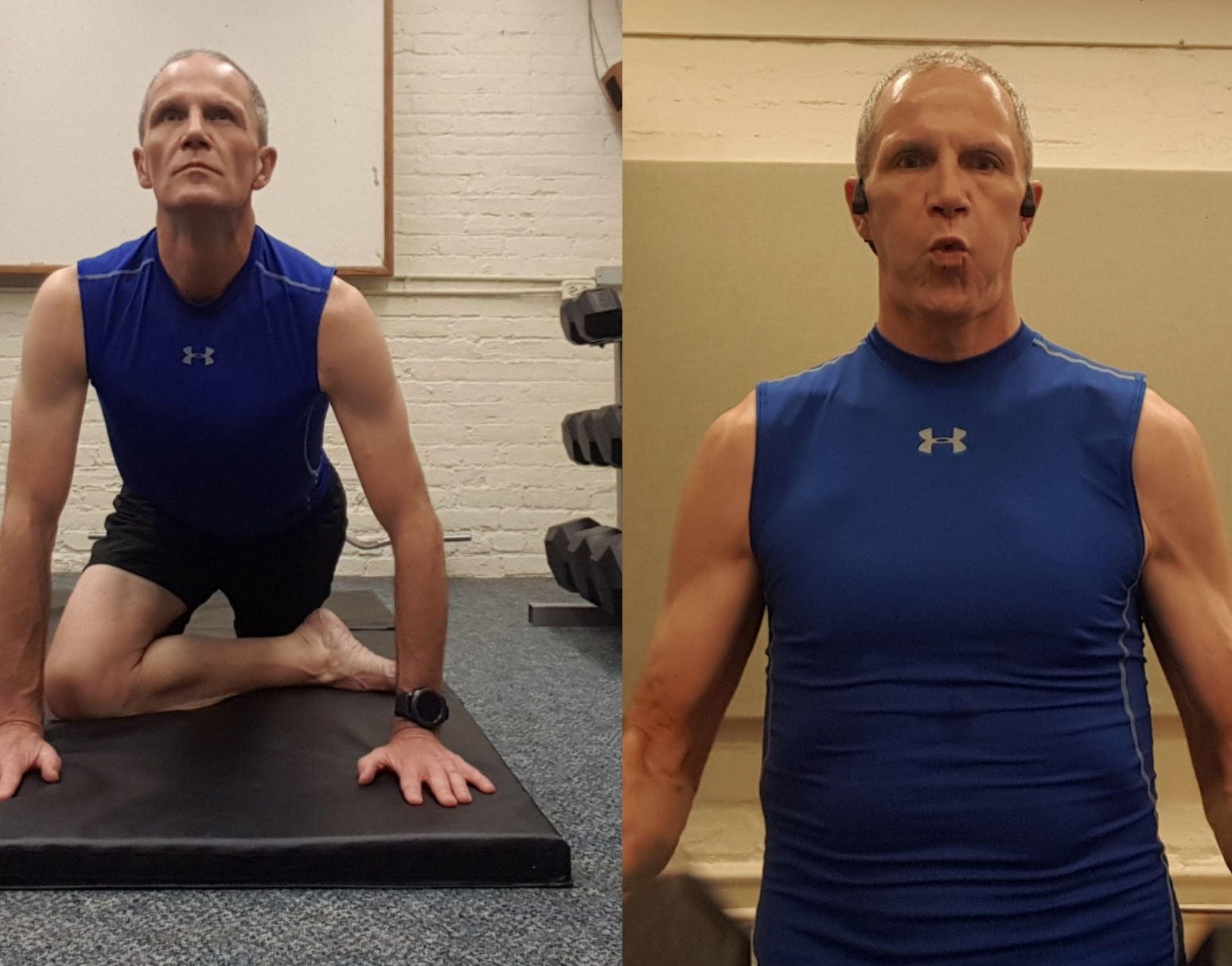
  • Smile and other yoga lessons

    img_20190206_191636.jpg

    Did you hear the one about the fat guy walking into a yoga studio? Sounds like a joke, right. Trust me, it was.

    It sucked. Sweat pouring, arms straining to hold up the weight, shifting belly causing balance to be lost and a class of fit folks who seemed to look the other way. As the instructor asked everyone to set an intention at the start of class, mine was always the same – survive.

    And now those moments of mirth have become the base for any success had and for any continued development. I recommend yoga, to anyone who will listen, for the multitude of benefits.

    Now there were some who ascribed my inability to touch my toes to the fact I couldn’t see them. They would be wrong. Flexibility is not a strong suit, which was first confirmed as a whippet-looking teen during tests for high school football. I just don’t bend that way.

    More than a year of regular yoga classes has not magically changed that. Whenever there is a deep bend over the legs, in a sitting position, and the teacher says ‘Okay, everyone rise slowly’ a smile traces across my face, as I’m already basically upright.

    Now, I wish I could say the yoga experience began with a sense of what rewards would accrue. But I can’t. It was the IT band that sent me tentatively into my first class.

    The IT band is a key component of running (not as I thought the house band for Microsoft). When it tightens, pain follows. It debilitates and halts all progress. So yoga seemed like a reasonable way to loosen the muscle and keep it relatively happy. And it has.

    But it also highlighted the need to do other exercises.

    When people say ‘you’re fit’ my response is simple: sorta. Yes, there is an ability to log a lot of kilometres but there’s enough self-awareness to know that one chin-up would be a major accomplishment.

    One of the mistakes made often by new runners is to intently focus on running to the exclusion of everything else. Doing so is self-limiting, there’s a need for some cross-training, the building of other muscles and strengthening of the core.

    That’s what yoga does for me. It builds the leg flexibility and strength that was originally sought. It also has assisted in creating a stronger core, which is essential for runners. You don’t want to be leaning and hunching when on the road; you want to have decent posture and yoga aids in making sure the core can take the beating that’s coming.

    Cannot tell a lie, the most hated part of yoga class is downward dog. Three-legged, pigeons, plank, upward dog, chair pose are all great but downward is not relaxing for me. Why? The weakest part of my physiology has always been arm strength and in that position I can see the arms vibrating.

    But thanks to yoga, and a small once-a-week strength training component added to the repertoire, there is now more vigor and that helps me in the later part of races.

    Yoga has also helped in two unexpected ways.

    1)      Breathing is essential to the practice and to running. Now when I’m racing the voice of my instructor reverberates inside my mind, particularly going up hills. ‘Deep breath, slow exhale.’

    2)      Smile. Sounds stupid but the constant reminder to relax the face, not to be gritting teeth comes in handy as you’re trudging along. It changes your mood and mindset, even in face of bracing wind and rain.

    Now, yoga might not be for you but then again it might not be.

    As intimidating as the first class can be in your mind, I’ve discovered at my studio there is a myriad of shapes and sizes in the classes and woe be the person who tries to gauge who can do what. Plus, you can ‘cheat’ by using props. If you can’t get to the floor a block will bring the floor to you. At yin class last night, in order to execute a back bend, I built a contraption that my eight-year-old self would have loved (if made out of plywood) and tried to launch my bike off. It’s not about demanding the body do something it can’t; it’s about letting gravity and practice increase the range of mobility.

    However, maybe hitting the gym, hopping on the bike, jumping into the pool are for you. Whatever it is, take the time to rest the running muscles and ensure the rest of the body is as strong as the legs.

    I’ll keep trying to reach for the toes and hope to see you on the road.

  • The first step is the hardest

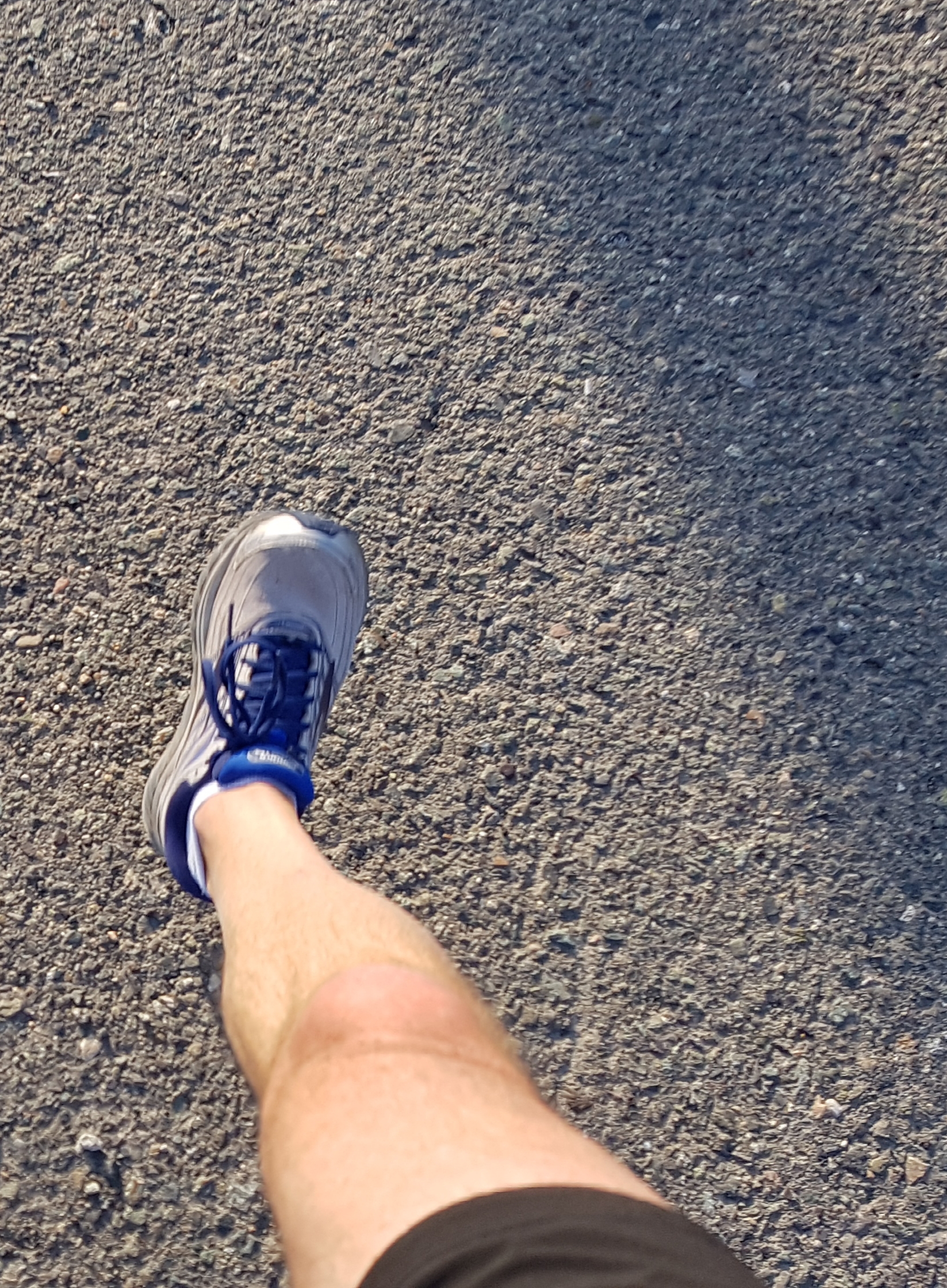
    20190131_110317

    The body part most resistant to getting fit was most unexpected.

    Now, the bulging belly had a case for being opposed as it had the most to lose. The spindly legs, which had been carrying an unfair share of the weight, would ultimately benefit but a heavy load would be carried to get there. And the lungs, well, the lungs were in for the biggest workout whether success or failure was achieved.

    And yet all three of these appendages managed to work, mostly, harmoniously in pursuit of fitness. The body part that rebelled and tried to scupper all the work – the head. It was not a case of ‘good’ vs ‘bad’ thoughts; it was more blasé, bad and ugly.

    The blasé: You can do 10K, which was technically correct though extremely slowly and a week off to recover needed.

    The bad: People are going to stare when they hear what sounds like a herd of baby rhinos bearing down on, though without the grace, and then you appear doing the Shane shuffle.

    The ugly: You might have a jammer while out there and wake-up in the hospital, best case scenario.

    With all these thoughts running through the mind, the stubborn streak surfaced and some running was going to happen dammit. But how to start.

    Many people start with a simple, safe program. Google ‘run/walk’ and a host of options will pop up. Walk two minutes, run one, repeat. Walk five, run one, repeat. All kinds of mutations to meet any requirements.

    But simple and safe wasn’t for me, for two reasons. Walking was already an embedded part of the daily routine and memories of marginal success at cross-country meets in high school flooded the brain. So no walking.

    And the treadmill was not an option, as quitting is too easily achieved. If I’m halfway down Dallas Road, the requirement to get home remains and that is a powerful motivator.

    In retrospect, the plan was simple if not particularly safe for someone in such shape. Out the door, run 15 minutes and turn around and lumber back to home. It was the same route, so a house could act as the marker to reverse course. Eventually, the return to base would register at less than 30 minutes, so a new marker was sought. And that’s how it started.

    Three days a week, all basically the same distance, was the beginning. Then a longer run on weekends, starting with running the TC 10K course as practice. Then longer distances, stealing parts of the Victoria Marathon route.

    That was what worked for me. Others will be different. Here’s the best part, there’s no right or wrong. You have to find what works for you. It may be alone or as part of a run club. It might start in the gym or the track.

    The hardest step, though, will be the first one. Getting out the door. And for motivation, remember these words from Yoda: ‘Do or do not. There is no try.’

    Hope to see you on the road.


  • Running the rocky road

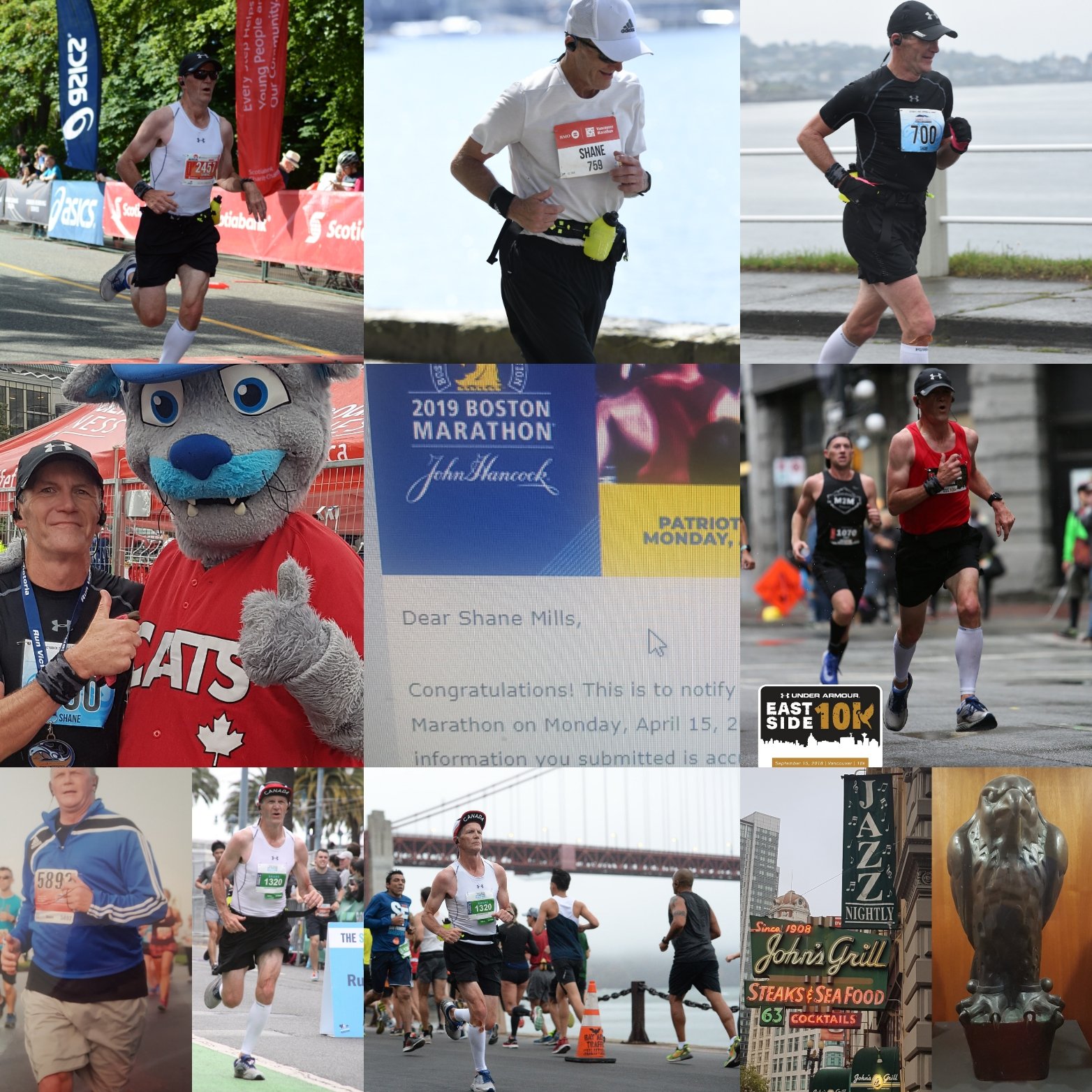
    I was fat. Let us not be coy, no deploying euphenisms of mass distraction. I am not now or have I ever been big boned. I wasn’t carrying a few extra pounds. And I hadn’t, as my Nan in her very proper British way uttered, just filled out. I was fat. And now 30 months later, if all goes as scheduled, I’ll run the Boston Marathon.

    This is not the tale of a ‘natural’ who just picked up something and excelled. I am not that guy. We all know someone who strides to the tee box declaring he’s not very good and drives it 220 yards straight as an arrow; or who can drop threes from all over the court; or, hell, even nails a triple 20 on the dart board for fun. That’s not me.

    Think more Mr. Average. Not picked first, not picked last. Can catch most things thrown at him, moves faster than people think is possible with a belly that big and likely won’t embarrass himself by trying to do too much. Know your limitations and play within them isn’t just for lotto players.

    And to be clear there was never some master plan that was obeyed with slavish adherence; I have just run into a lot of highs, lows and ugly moments on the road without any roadmap. With some guidance along the way, I’ve stumbled along and think my story can be a shared one, that others can achieve the same satisfaction from achieving own goals.

    So how did it start? Red-faced embarrassment. The realization that after an enjoyable trek down the Oregon coast that the suit didn’t fit. Now, clothes are important and suits are a necessary part of the job; fitting right is also important and the need to wear the three piece so the vest would hide the undone pants (held up with stretched belt) is not very correct.

    Part of the problem was there was just enough latent ability left that I could get away playing slo-pitch or thirds rugby or running TC10K – could fool myself into thinking that at any moment it was possible to spring up off the couch and endure some kind of athletic endeavour. Then ache and ache for the next three days.

    Serious effort was required. Sustained activity. And due to shame and dislike of gyms it would be a solitary experience. Running was a distant memory, recall of high school races came back and that was the route ultimately followed.

    But heading out the first time can be difficult. The weight of expectations is enormous, especially as the scales that morning tipped somewhere around 240 pounds. It was a lot like watching a baby rhino stagger down Dallas Road, except the rhino possesses more grace.

    The worst is the mental anguish self-imposed: people are looking at me, folks are laughing at me, scenes from Run Fat Boy Run pass through your mind. The sweat is pouring off, even in the cool fall weather. Everything aches and it seems pointless, the effort required far out of reach.

    Bullshit.

    In later posts, how to take those first steps will be covered but for now the point is taking it. And then a couple of days later repeating it. Then again. Reoccurring so much it becomes habit; you feel slighted when you don’t exercise is the objective.

    That’s what all runners share – that addiction to getting out, regardless of the weather or other distractions, and having that time. It’s not about speed. It’s not about distance. It’s about finishing what you started.

    Please, don’t get hung up on some specious definition of what a runner is. Are marathoners runners? Of course. And so are people doing 5ks and 10ks or park runs or circling the track. A runner is someone who puts one foot in front of the other with a little bit of pace. A mile is a mile, no matter how long has elapsed.

    This is about my journey but it is a path that anyone can travel. The specifics may alter from scene to scene, but the ambition and hope and accomplishments don’t. This is about people seeing anyone can get on the road and letting it take them wherever they want to go.

    Hope to run into you next week.

  • Man up with a bag

    It was so easy once. All you needed was set of keys and bulging wallet and a man was ready to go. Now, not so much.

    There’s keys, wallet, money clip, smartphone, loonies and toonies, tablet and assorted accessories. Fobs, pens, pads and glass cases take up a little bit of room. Stuffing the pockets to bursting is a poor option, as no one looks good with odd bulges in odd places and stuff is easily lost.

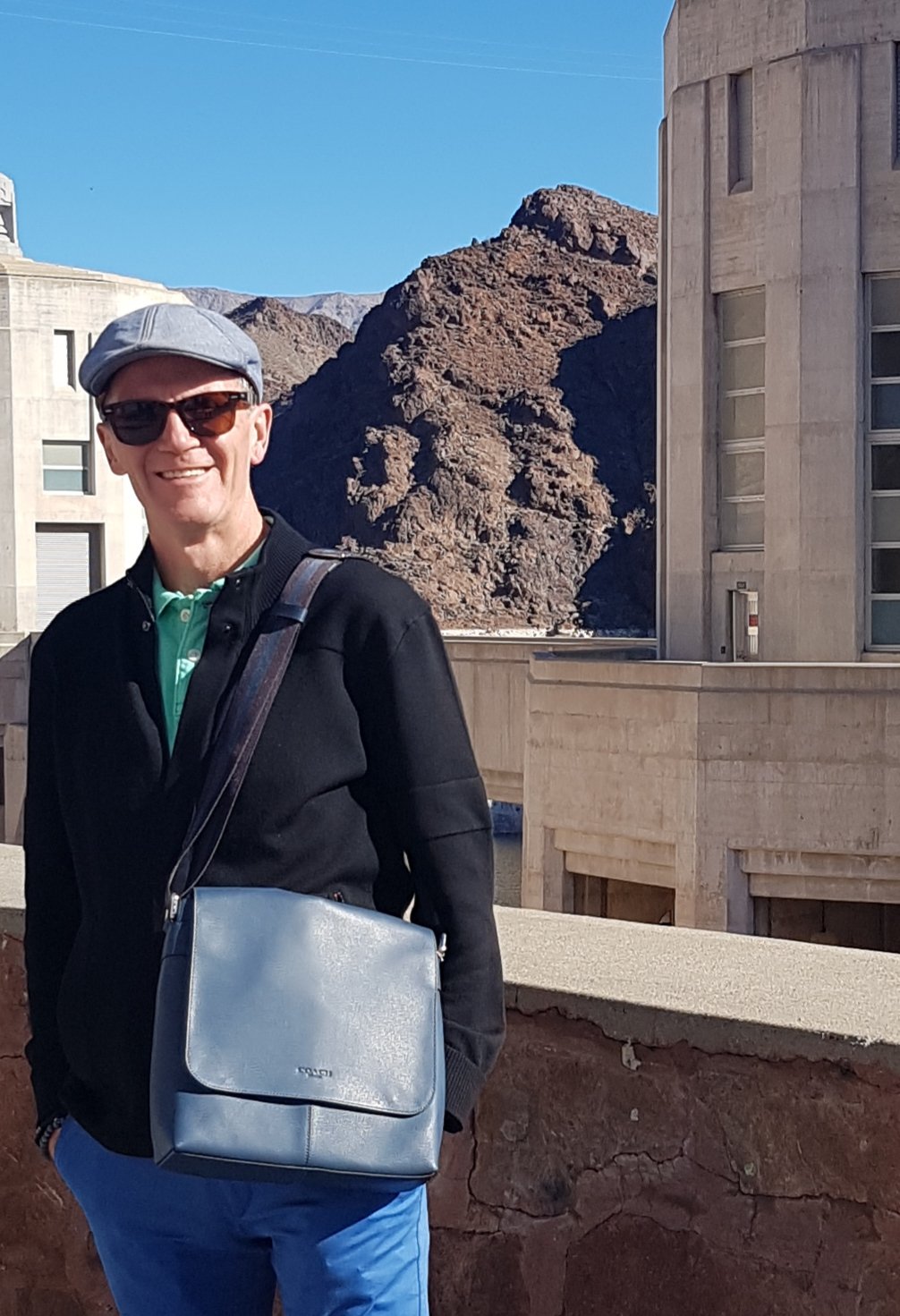
    So, yes, this is the moment to defend the man bag or the murse or whatever slangy phrase is used to denigrate this vital need for today’s modern man. No, not defend; praise the practicality of this creation.

    For years, there were two choices: briefcase or gym bag. Think of the man bag as the elegant love child of those two, versatile and refined.

    A good attaché case, still has a place. But the lack of a strap means any type of commute becomes burdensome. Hey, if you are fortunate to have a car and driver, power to the attaché. But most of us don’t, there’s walking involved, standing on transportation or in lines. Being able to sling the case over your shoulder (or cross-body) is a welcome convenience.

    Gym bags, obviously, have a place. Each Sunday, the black nylon one used to transport the clean workout clothes is outfitted with the appropriate material and transported to work. After the daily workout is complete the clothes used are transported home in a tote along with that day’s lunch containers. Literally, rinse and repeat every week. (Even have separate one lined up for yoga excursions.)

    But when moving between offices, the man bag is supreme. Everything neatly organized, instantly available – no fuss, no muss and no digging through some conveyance looking for what’s needed. No need to empty the bag to find the one thing you need, usually which has found its way to the bottom of the bag.

    Which brings us to backpacks, a utilitarian device with a specific purpose. If you’re about to scale a summit or something similar, backpacks are great. Nothing beats them. Comfortable, good weight distribution and the ability to pack a lot into one make them essential. But, at least for me, not proper for day-to-day use. Think of digging out one the item needed, from the bottom. That’s strike one. Then there’s the incongruity of wearing a good suit, nice overcoat and having a backpack strung in place. That’s strike two. Plus there’s something about the backpack that screams college student, which is appropriate if you are one; just like you outgrow your college clothes, however, there is a time to restore the backpack to its natural purpose. So strike three. And you’re out.

    (Quick side note, we’re talking about men here. Many leather manufacturers make small, stylish backpacks for women which make perfect sense for the daily demands they face.)

    This commitment to the man bag has built over time, the form and function becoming clearer over the years. My first one was a gift, close to 15 years ago. It has served well. It has also aged well, another advantage to investing in quality. Now, a new addition has joined it and proven useful not only for work but on getaways. When walking the streets of new places it so easy to store a paper map, brochures, charger or your partner’s essentials (lipstick, lip gloss, etcetera), along with your phone and keys.

    The gym bag, the back pack and the man bag, each designed with a specific purpose and that is how they should be used. Invest in good ones and know the man bag has progressed from jokey oddity to everyday necessity if you’re carrying around the accoutrements of daily life. You’ll be organized, look smart and life will be easy again.

  • Go for the goals

    Resolutions are good. Giving true focus to change is important. But New Year’s Resolutions are bad, destined to fail. It’s the arbitrariness of January 1 that causes the problem and makes it even harder to make the desired modifications.

    Ready to lose weight? Stop or cut back drinking? Exercise more? Quit smoking? Take up smoking? Be nicer to people? All worthy and all possible. But only when you want. It’s highly unlikely that most people simultaneously experience the inner convictions to make those changes all on the same day.

    So as the clock ticks past midnight and the morning breaks with a certain fuzziness, don’t rush into anything. Try the rec centre drop-in fee before signing up at the local gym on a monthly fee. Eat a little healthier but don’t feel despair if pizza makes an appearance. And go full bore at being nicer to people.

    Seriously, though, changes come slowly and at different paces. Massive alterations in lifestyle don’t happen easily and setting January 1 as the random date is asking for disaster. Let the date come to you.

    For years, I made those pledges – almost always around getting healthier and eating better, dropping a few pounds. Each year failure was just weeks away, as my heart and head were not in sync (or maybe they were, not wanting to do it).

    My change date was around September 1 a few years back. That was when it was time: when the stars aligned, my heart was in it, no more excuses were made or however you want to phrase it. That was when I started to make the changes to get healthier. Slow and steady. Small goals set and achieved. New ones set. Some met, some not. So then reset.

    That’s where I find myself as 2019 is nudging its way in. Setting goals. In fact, trying to set a race schedule that optimizes those goals.

    Last year, I’d never run a marathon. So that was the goal. Signed up for the BMO Vancouver in the spring and full of enthusiasm believed that would be where a Boston qualifying time could be achieved. So then booked a holiday race to San Francisco and the marathon that would take me over the Golden Gate Bridge, with no pressure. And finally, the hometown Goodlife Victoria Marathon on Canadian Thanksgiving.

    Of course, fate intervened. BMO was completed but the BQ was not. San Fran was an adventure and did secure BQ time. And Victoria saw improvement. Those were the tent pole races, with another nine ran to try and supplement them.

    This year, the two big races are Boston in April and Chicago in October (also Canadian Thanksgiving). And there is a slight struggle to pick which races to run before and between.

    First up, as always (I say always but for the third time) is the Hypothermic Half Marathon in Victoria, a good way to start season. But then… do I return to the St. Paddy Day 5k in Vancouver which is about a month ahead of Boston? Or should I do a 10k as a better tune-up? But the one known is only two races pre-Boston (well, maybe another 5k a couple of weeks before).

    After Boston, well. There’s TC10k, which would be first post-marathon run (not race). Then there’s Oak Bay Half and the one half-marathon where I really want to set a PB and that’s ScotiaBank Half in Vancouver in June. And in September the Eastside 10K is on the agenda.

    But what about July and August. Do I just train? Do I find a half? Or go to Edmonton for the full in August?

    Decisions suck. Mostly cause I just like to run. But I know poor performances in Boston and Chicago will haunt. But I will likely end up doing close to 12 races again this year, keeping expectations real and planning for the two biggies (plus Scotia Half and Eastside 10K).

    So that’s my resolution for 2019: working towards those goals, doing the best to achieve them.

    P.S. And one more resolution: going to work to post at least once a week in 2019. Could be running, fashion or sports or fiction. But that is a resolution my head and heart agree on.

  • Safe at home

    orig-VMAK0789Where was I? Oh yes, wondering if running a familiar course was an advantage or disadvantage during a race. I have now reached a conclusion.
    But, before that, a few thoughts on the Victoria marathon itself, as an event. This was my third race of that distance this year and, while hardly an expert, there is little doubt local organizers can be proud of the entire race weekend.

    From winding efficiently through the Expo to the Speaker Series to starting on time, the event seemingly went off without a hitch. I say seemingly, as I’m sure organizers can point out things that weren’t perfect and they would like re-dos on; but they hid those from the public. So bravo.

    It was a first-class weekend where all the details that could be controlled were; apparently the weather is outside of Cathy Noel’s superb skill set and while the rain tried to influence the day negatively it didn’t work.

    So where was I? Yes, racing a course that is, in effect, the home course. In other sports, home field advantage is a good thing – you know the odd way the puck bounces off the boards in certain spots or how the wind will carry the ball in right field. But does that same dynamic apply to road racing? I was about to find out.

    Now, there’s a reason golfers take a few practice rounds on a course – to get a feel, to try and anticipate how they might react in certain situations. Obviously 36 holes will not unlock the mysteries in the same manner as playing it every week, but it’s still better than not knowing. Same goes with running. It’s wise to take that bus trip or drive around a course to acclimatize yourself so you are aware of the undulating hills and not groaning through each motion.

    This course, though, has been traversed many a time, as detailed earlier. So the worry was overthinking could lead to reduced performance. And while there was a bit of that, without doubt, it is fair to call it a draw. The good and bad balanced out, at least for me.

    Putting aside the course for a moment, the start line literally being outside my workplace’s front door was a huge bonus. Got in, ate, had a coffee, stretched, went for a couple of walks, hit the loo and didn’t need to leave the cozy confines until about five minutes to go.

    The sound of the air horn heralding the beginning and knowing the tightness of those first couple of turns (Michigan and Government) meant drifting into the middle to avoid being crushed or pushed into a curb. I’ll spare everyone a play-by-play of each segment. But the knowledge of the course was invaluable. How long is that hill? Right, so keep pace. How long is that hill? Right, slow pace slightly and make it up on downhill. How long and desolate a stretch is the next three kilometres? Keep focused and check out who has the most election signs.

    The overall impact of the knowledge was a race run smartly – no surprises, no moments of near-death. And that also could be a reason why the home course is bad: no surprises, nothing unexpected to overcome. Isn’t that part of running?

    I don’t know. It was a good day, as fun a day as running 42.2 kilometres in the rain can be. Reminds me of a comment George Chuvalo made after taking Ali 15 rounds and losing: ‘I went dancing with my wife, he went to the hospital.’ Meaning that at the end, I could walk to Zambri’s with little pain and enjoy a brew and some meatball and eggs. So job well done.

    But there was another positive of the day. As a resident of the city and frequent follower of the foot paths, it is easy to forget how lucky we are to reside here. In earlier races I soaked up the sights as a travrunner and so I tried to take in all parts of the race and not just stare at a spot six feet in front of my own feet.

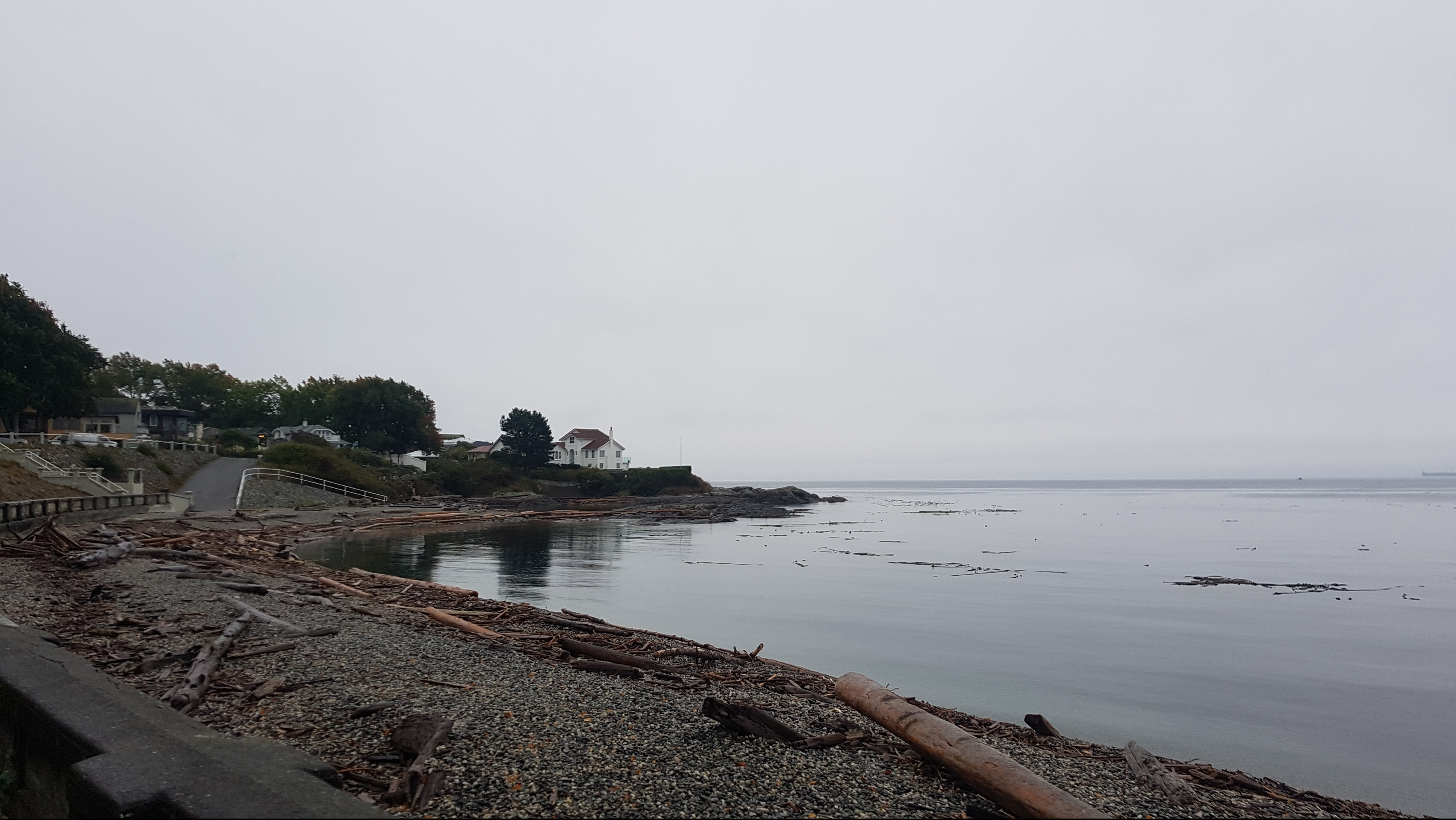
    Victoria is often placed on must-do lists by running sites and it’s so easy to see why. The Inner Harbour, Cook St Village, Beacon Hill Park, Oak Bay, the marina and all that time spent running along the water – simply spectacular.

    Oh and one more reason the race was memorable? The volunteers. Trite it may sound, but as you’re slogging along with soaked shoes, shirts and shorts they make all the difference. And I don’t mean the distribution of water and such. It’s the outpouring of goodwill, the thumbs up and the ‘you can do it’ and ‘what were you thinking?’ that greatly assists in getting to the finish line.

    In future years, I probably won’t go back and redo a lot of races. And as I age, the distances may shrink. But I’m looking forward to always being able to run my home course. And that makes the advantage mine.


  • Home Sweet Home for runners

    20180930_090158.jpg

    It’s a question that, ultimately, can only be answered by running the course. As an intellectual exercise, though, it’s an intriguing inquiry with just days to go before the Victoria Marathon: is there such a thing as home course advantage in running? And not just a course traversed before, but one that is intrinsic to training.

    My hometown Victoria race will be my third marathon of the year, with the others being Vancouver and San Francisco. Each of these races featured varying degrees of familiarity.

    Vancouver, after coming down the hill from the University of British Columbia to Spanish Banks, was largely known. The last portion of the race goes along the Stanley Park Seawall, which almost every person who has put on running shoes has ventured out on. The first half, though, was very much unfamiliar – especially the damn hill around nine kilometre. When the calf exploded around 25 km mark, knowing what lay ahead was a key determining factor in being able to finish.

    Then came San Francisco, where the route was a magical mystery tour. Only two things were known: going over (and back over) the Golden Gate Bridge and AT&T Park signifying the end was near. Other than that, no idea what hills and dales would be covered. Just ran and ran some more, all without prescription specs so can only be distracted by things really big or really close. The national park, the local neighbourhoods like Haight Ashbury and the views of ocean water were all witnessed as if on a slow-moving train.

    Which brings up Victoria. It’s literally the home course, as it starts and stops practically outside the front door of my abode and literally starts and stops outside the front door of work. It’s perfect for breaking up into different lengths – need a 16 km, 25 or 35? Head out on the route and customize as needed. It’s the long run taken before the last two marathons.

    But when running first returned to take a place of precedence in everyday life, two runners offered the same advice: travel for races, it’s more fun, less pressure and no thinking.

    Until San Fran, didn’t really understand that, as races were either in Victoria or Vancouver. The courses may have not been intimately familiar, but they were not unknown. So San Fran was fun, no real over thinking: ‘need to speed up here,’ ‘okay, can catch breath here for that hill coming’ or ‘let’s make sure we hit x spot by certain time.’ In fact, the watch was barely glanced at, as other than the marker signs (which were in miles) there were no local markers to gauge progress.

    Victoria will be different. The temptation will be to assess performance by landmark. Crossing into Beacon Hill Park, leaving the park, passing Ross Bay Cemetery, hitting Oak Bay Avenue, dodging golf balls while admiring view by Victoria Golf and Country, not to mention passing marina knowing that means another damn hill, plus the last stretch was signified by loping past the Terry Fox statute.

    As they say, TMI!

    There are plus sides, though. Surprises pretty much shouldn’t occur, unless it’s some kind of mechanical failure of the body. Inclement weather? No problem, can wait inside office and sip a coffee till about two minutes to start. As the course unfolds no sudden exclamation of ‘where did that hill come from’ or ‘damn, it’s windy along Dallas Road.’ So not a lot of excuses open for use.

    So which side will win? The intellectual argument not to overthink? The competitive side which wants immediate information on performance? Only one way to know and that’s run the course. So stay tuned.


  • No whining in running

    Commemorative Photo-VEAA0273Ever finished a race and felt disappointment, unsure of why? And then felt like a wanker for bemoaning a decent time?

    It happens, I hope not just to me, and is borne out of an inner competitive streak that thrives even as the years continue to accumulate.

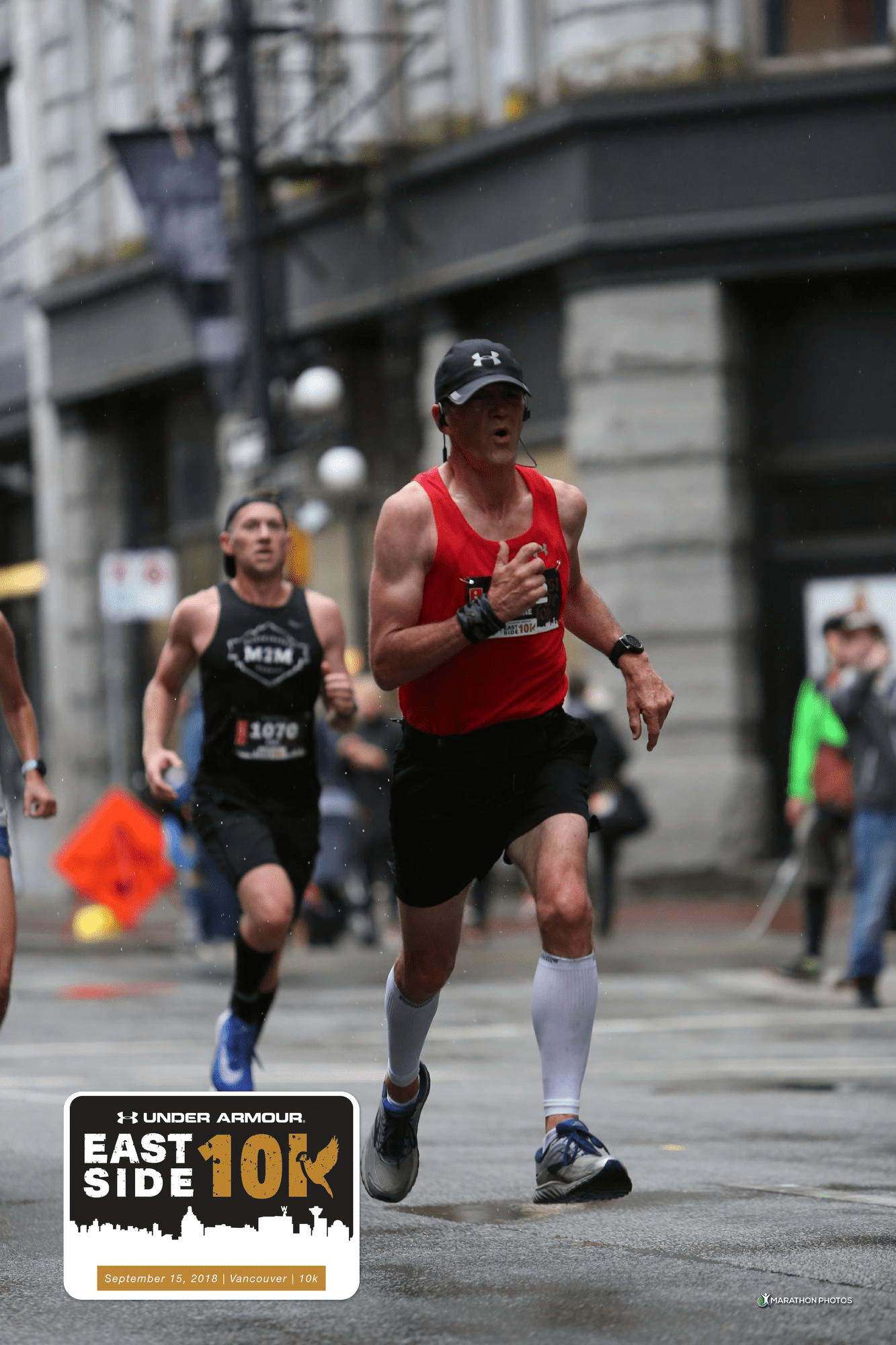
    This weekend was the Under Armour Eastside 10k in Vancouver and by any objective measure it was a good race. While traversing the route, no moments of panic, pains in side or mentally questioning what I was doing; even did alright in the kill the hill challenge (though was careful not to turn it into kill the race).

    However, it wasn’t the time desired. Hence, the ennui.

    So first let’s recount the ‘challenges’ faced.

    Weather: Cold and rainy start and a 10 minute delay in firing the gun meant extra time in poor weather.

    Course: It’s a fun course but the start has some tight, narrow turns on slippery stones. Wending one’s way through the pack a challenge.

    Taper week: Was on the road for seven days, so three different hotels provided nightly comfort. Largely still got short runs in but schedule was wonky.

    Nutrition: Each morning started out fine and then the days unfolded into array of receptions and appies and refreshments. Discipline was not fully exercised.

    So, those are the excuses. All valid, in some fashion, though not completely mitigating factors. When the same course was tackled last year, I’d slept in own bed, ate and drank properly and also ran more than three minutes slower.

    The reality is no one runs a PB every time. Sometimes the ‘bad day’ comes on race day. There are folks who have trained their entire lives for the Olympics and, sadly, that turns out to be the bad day. So in comparison, my missing a PB by 27 seconds seems a little whiny.

    Now, the only time I ever see the leaders of a race is when they’re already looping back towards the finish line. That’s done and sorted, winning the race isn’t happening. But the PB – while a motivator – is also not the only measure of how you performed.

    Let’s be honest, as an old man the time is coming where my times will not improve – plateau will be the hope and dream. And with more races under belt comes the realization that age class gives pretty good indication of where you stack up.

    My last three races – Scotiabank Half Marathon, San Francisco Marathon and Eastside 10k – I’ve placed top 10 in age category and top 200 overall. It provides an idea of where I should be against my cohort – folks who ran the same course in the identical conditions – and likely suffering through the same aging tribulations. Once those PBs stop coming, the age class will be the sole quantifier (along with ability to get out of bed the next day) for victory on any given Sunday.

    Having an acceptance of what is to come doesn’t change the fact, though, that when crossing the finish line at the Good Life Marathon in Victoria if a new PB isn’t clocked there will be disenchantment. Followed by a voice in my head saying: “You’re old, still healthy enough to run 42.2 kilometres, so stop whining, you wanker.”